


If you want to hide dark circles immediately, makeup is more predictable than a home remedy. The goal is not to cover the whole area with a thick layer, but to correct the colour and even out the skin with as little product as possible.
1. Prep the eye area
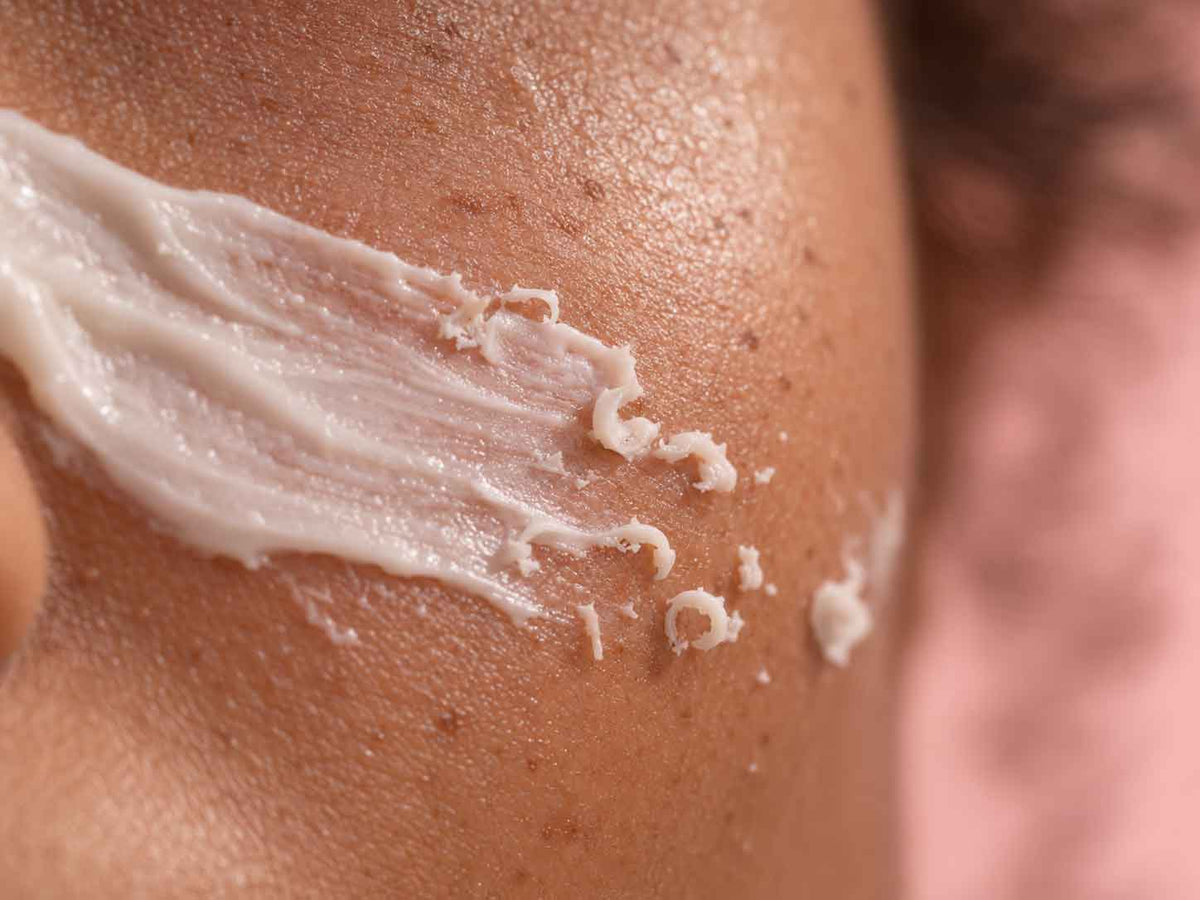
Apply a small amount of moisturising eye care and let it absorb before makeup. Too much cream can make concealer slide, while very dry skin can make creasing more visible.
2. Do you need a colour corrector?
Not always. If your dark circles are strongly blue, purple or brown, a tiny amount of colour corrector can help neutralise the tone before concealer. Use very little: the goal is correction, not another opaque layer.
3. Choose a concealer close to your skin tone
For a natural result, avoid going much lighter than your complexion. A shade close to your skin tone blends better and reduces the risk of a grey or overly bright finish.
4. Apply only where you need it
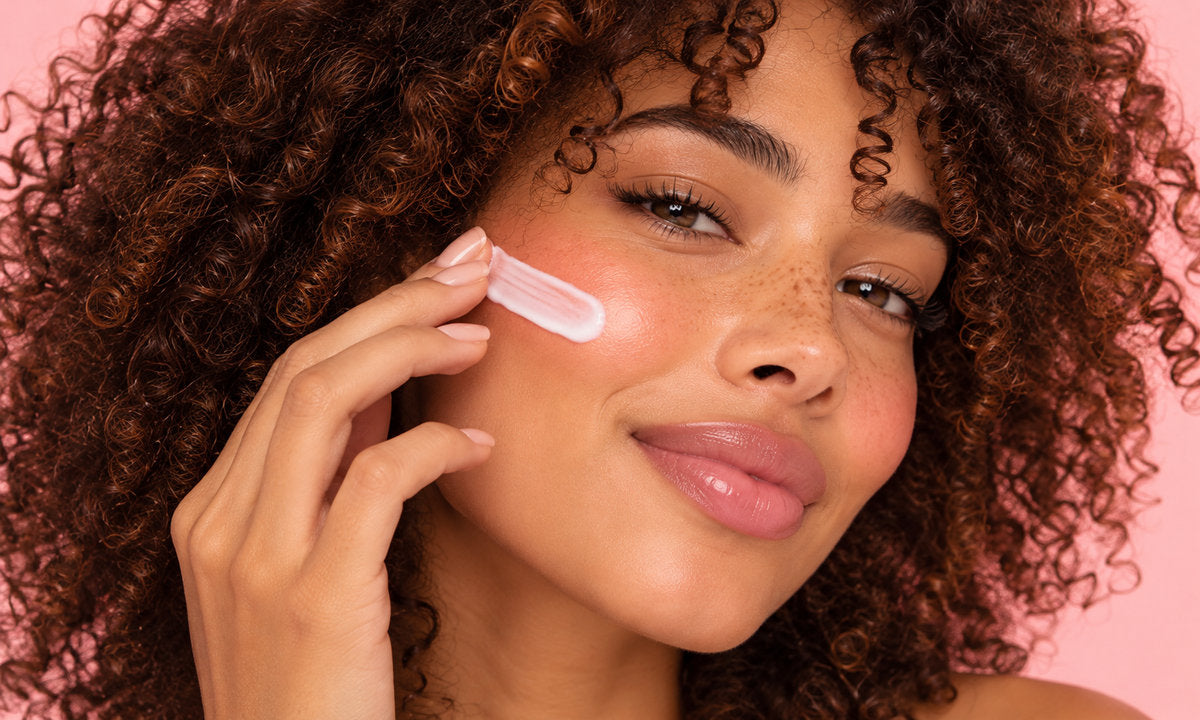
Place a few small dots on the darkest areas, often near the inner corner and along the hollow under the eye, then blend outward. There is no need to draw a large triangle under each eye.
5. Fingers, sponge or brush?
All three can work. Fingers warm the product, a sponge often gives a lighter finish and a brush offers more precision. The best tool is the one that lets you use less product without pulling at the skin.
6. Should you set concealer with powder?
If concealer moves or settles into lines, a very small amount of fine powder can help set it. On a dry eye area, too much powder can make texture more visible.
7. How can you make the eyes look less tired?
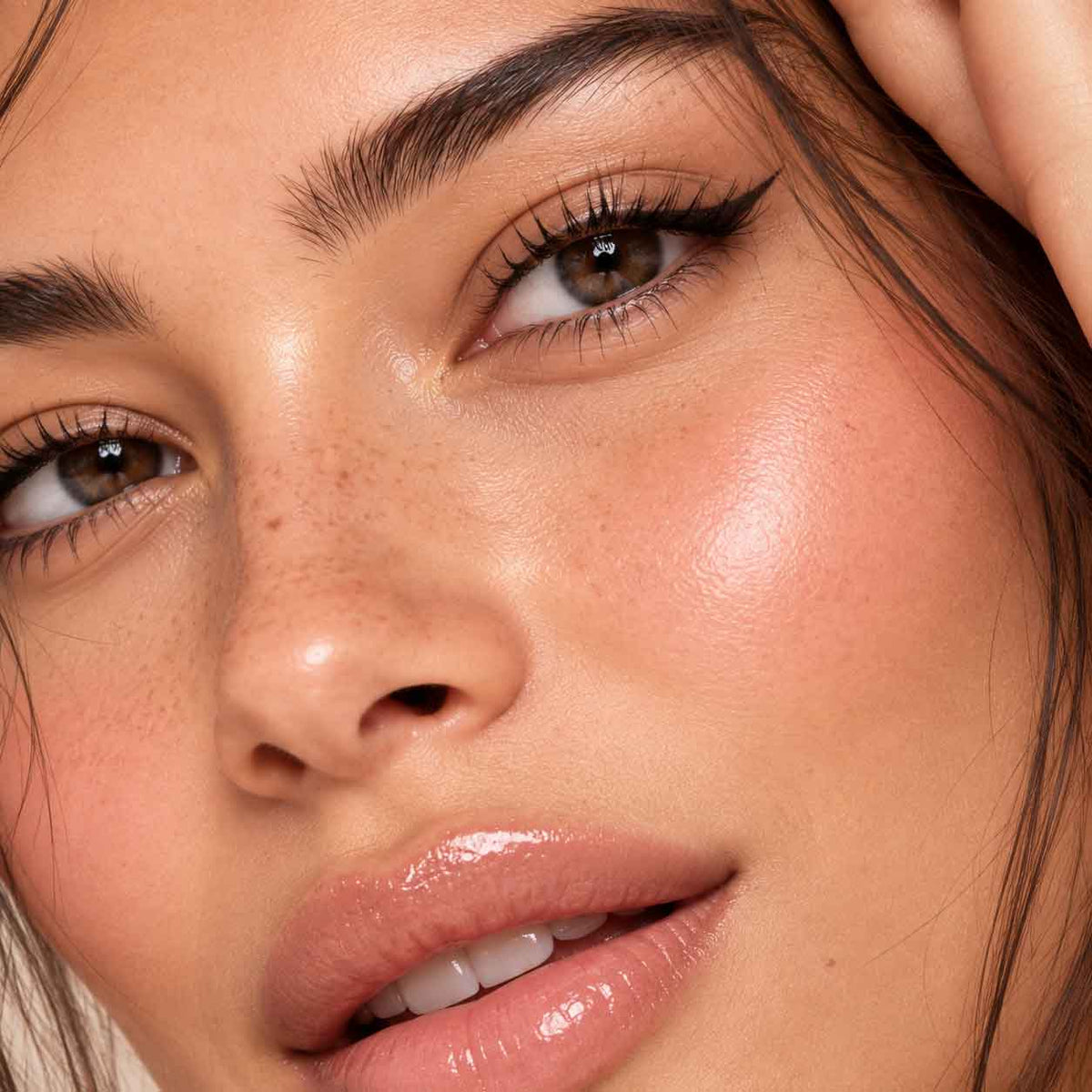
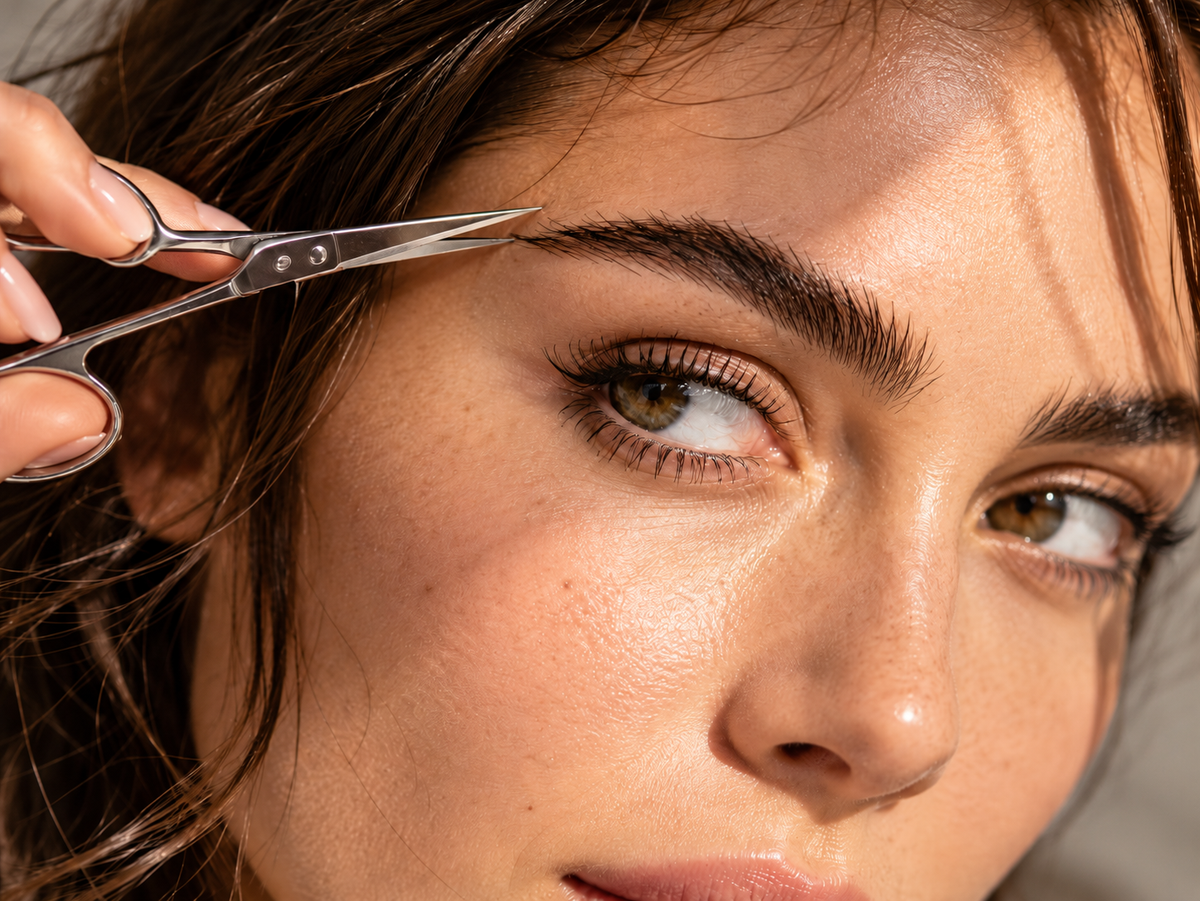
Defined lashes, brushed brows and a small touch of light can balance the eye area without overloading the under-eye. Avoid piling many products onto an already textured area.
What if you want to improve dark circles without makeup?
Makeup hides colour but does not address its cause. Read our guide to ways to reduce the appearance of dark circles and explore our eye contour care.