

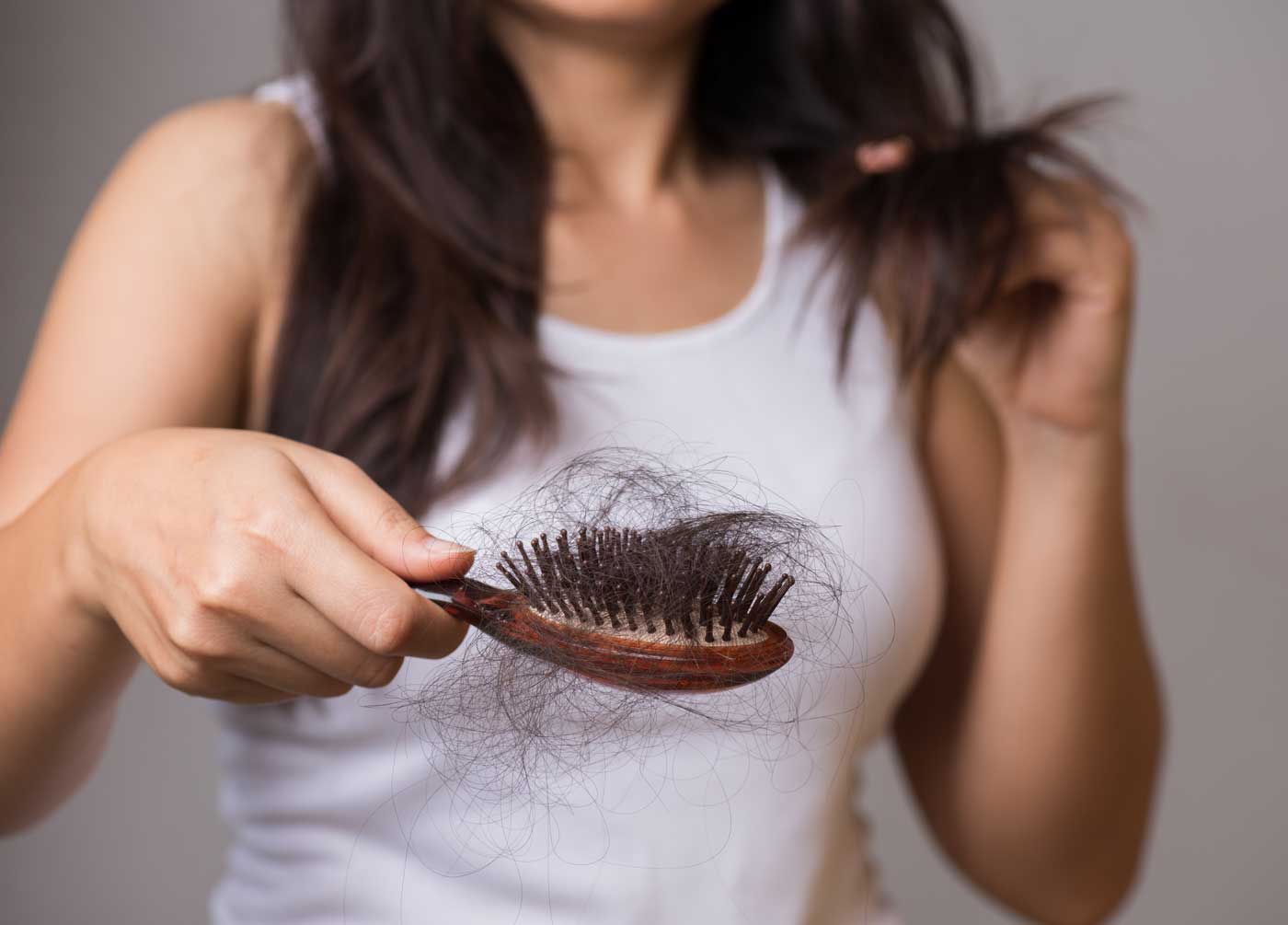
Seeing more hair in your brush or in the shower can be worrying, but not every type of shedding means the same thing. It is important to distinguish temporary increased shedding, sometimes called telogen effluvium, from hair loss linked to another cause that may need a proper diagnosis.
How much hair do we normally shed?
Daily shedding is part of the natural hair cycle. A clear increase compared with your usual level, progressive thinning or visibly sparse areas deserve more attention.
What are common causes of hair loss?
Genetics
Hereditary hair loss is common and can appear as gradual thinning. Its course varies from person to person.
Significant physical or emotional stress
Illness, high fever, surgery, childbirth, major weight loss or intense stress can sometimes trigger diffuse shedding a few months later. This pattern often corresponds to telogen effluvium.
Hormonal changes or medical conditions
Pregnancy, postpartum changes, menopause, thyroid disorders, autoimmune disease or scalp infections can affect the hair cycle.
Certain medicines or treatments
Some treatments can affect the hair. Never stop a medicine on your own: if you suspect a link, speak with the healthcare professional who manages your treatment.
Tight hairstyles and repeated mechanical stress
Repeated pulling, some extensions or very tight hairstyles can weaken the hair and, over time, contribute to traction alopecia.
Diffuse shedding or sparse patches: why does it matter?
Diffuse shedding after a trigger is not the same as patchy loss, a receding hairline or clear thinning on the crown. The pattern of loss often provides useful clues.
When should you seek medical advice?
Seek medical or dermatological advice if the shedding is sudden, heavy, patchy, lasts several months, comes with itching, pain, redness or significant scaling, or if you notice clear progressive thinning.
Which cosmetic habits can help day to day?
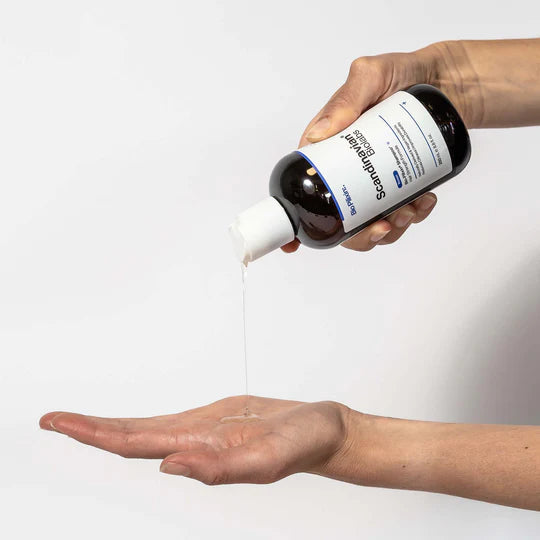
A gentle routine cannot treat every cause of hair loss, but it can help reduce breakage and protect scalp comfort:
- avoid hairstyles that pull strongly at the roots;
- detangle gently, especially when hair is wet;
- limit excessive heat;
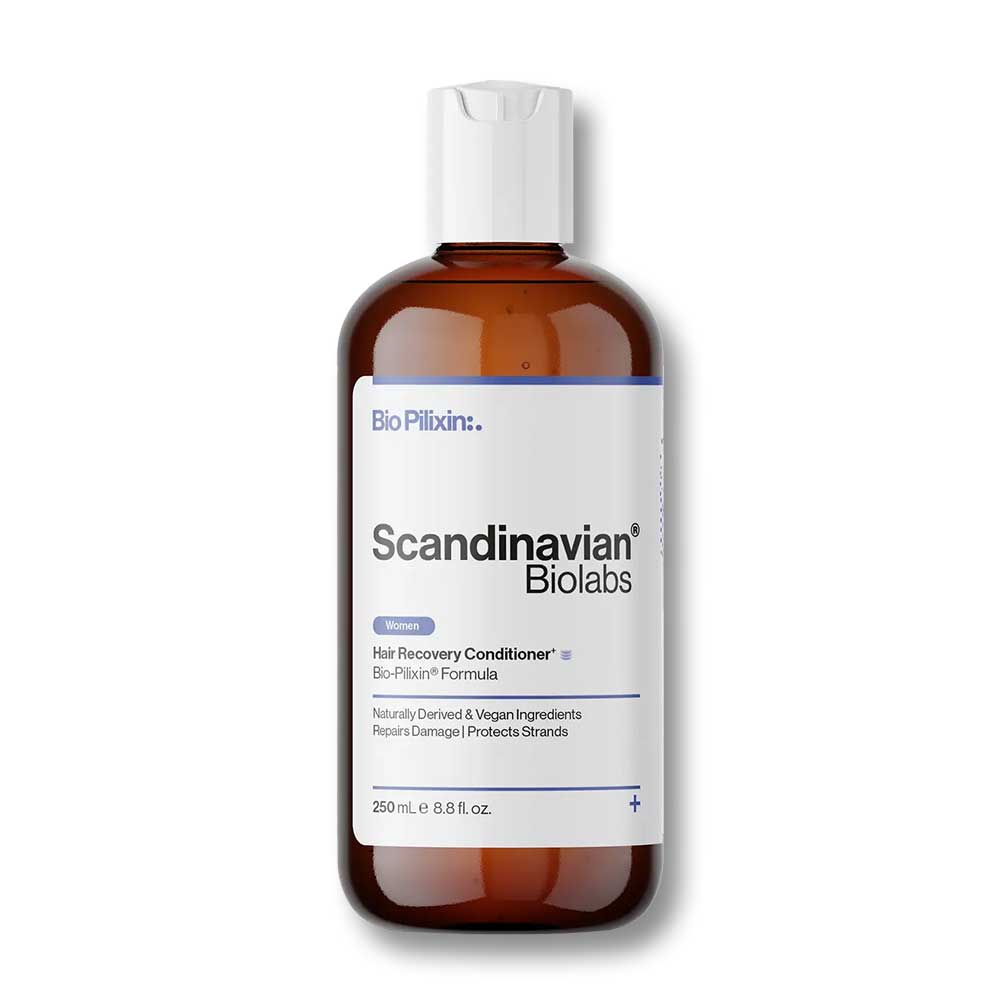
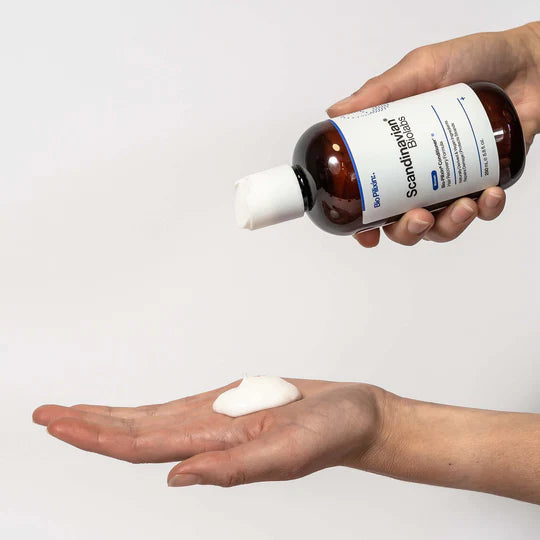
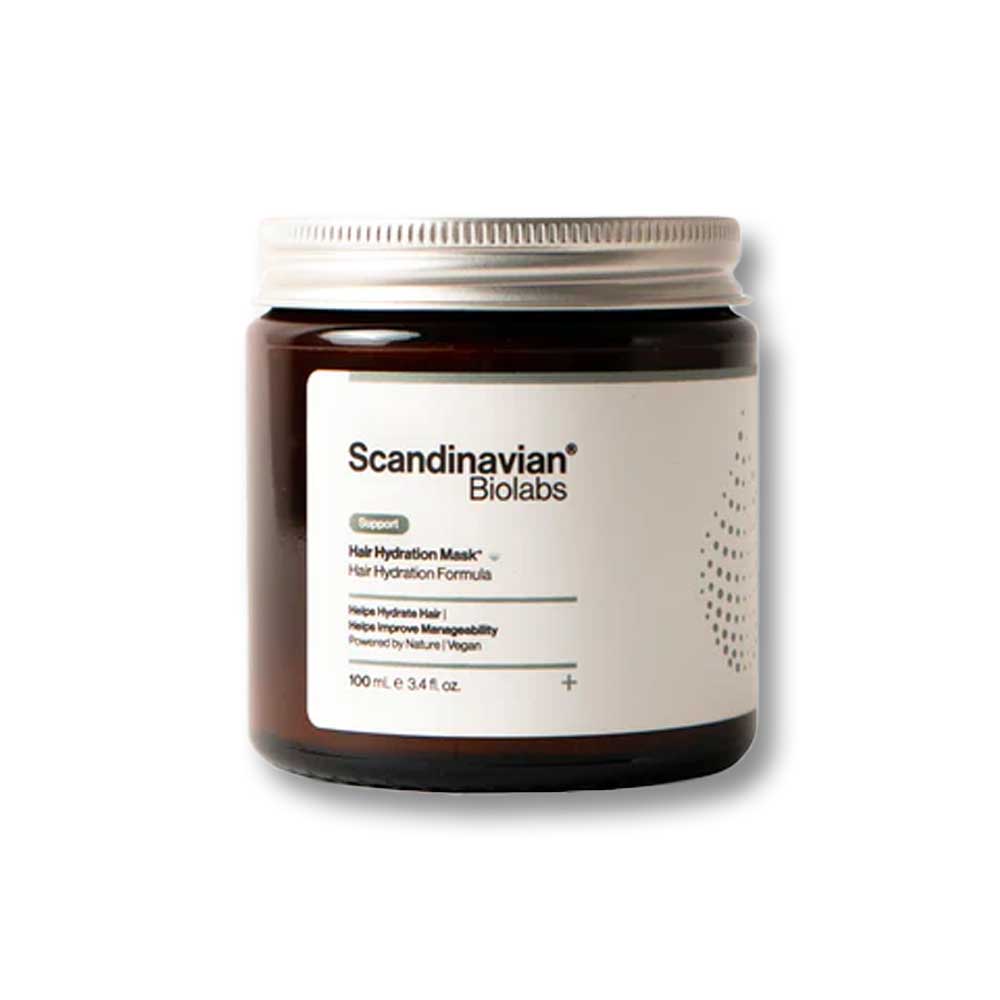
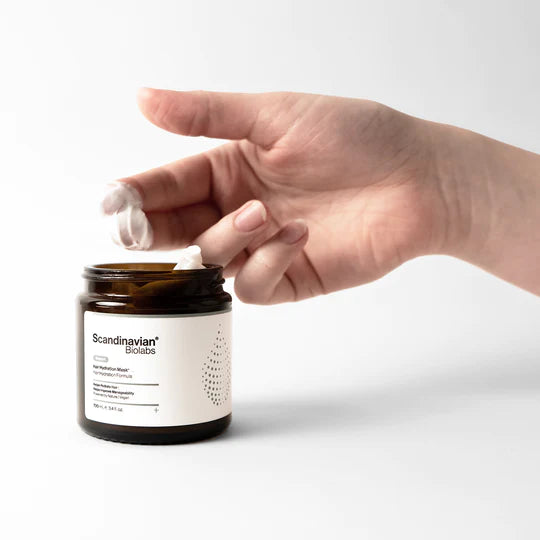
- choose care suited to your scalp and lengths;
- avoid stacking harsh treatments when the hair is fragile.
What about scalp serums?
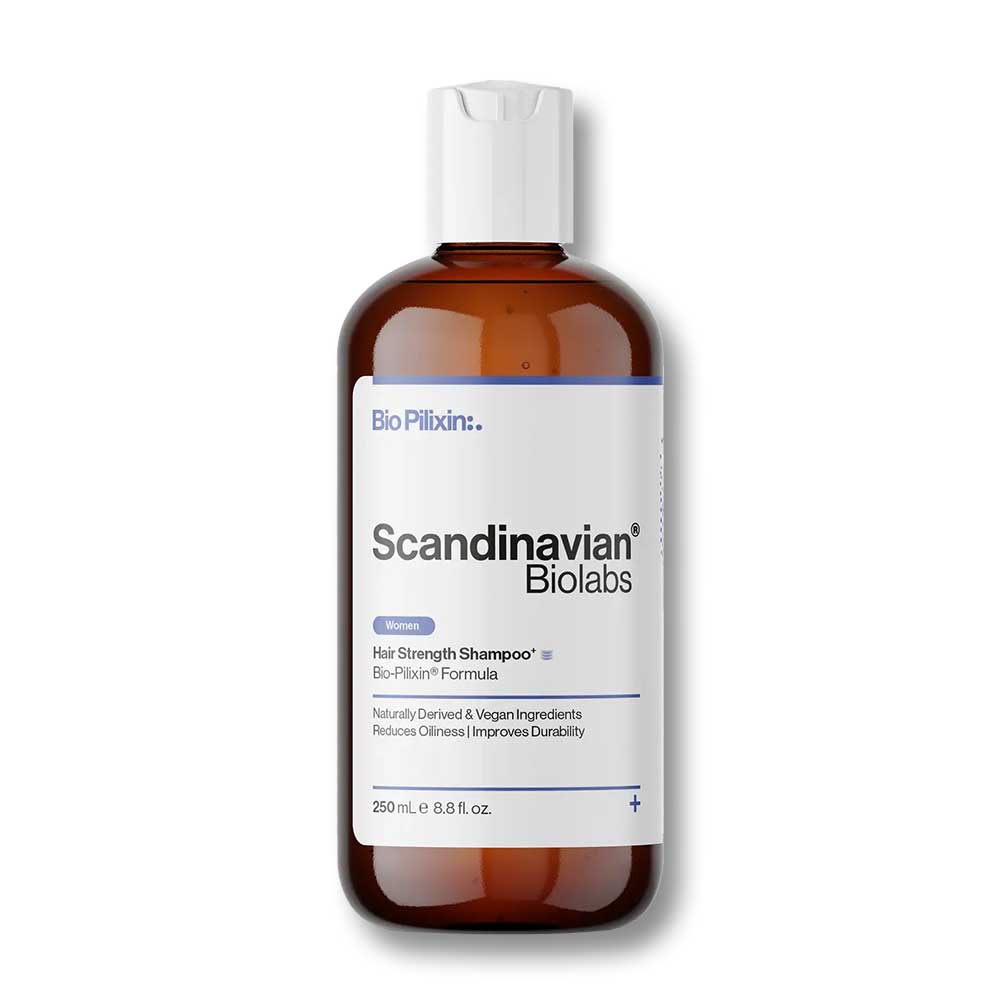
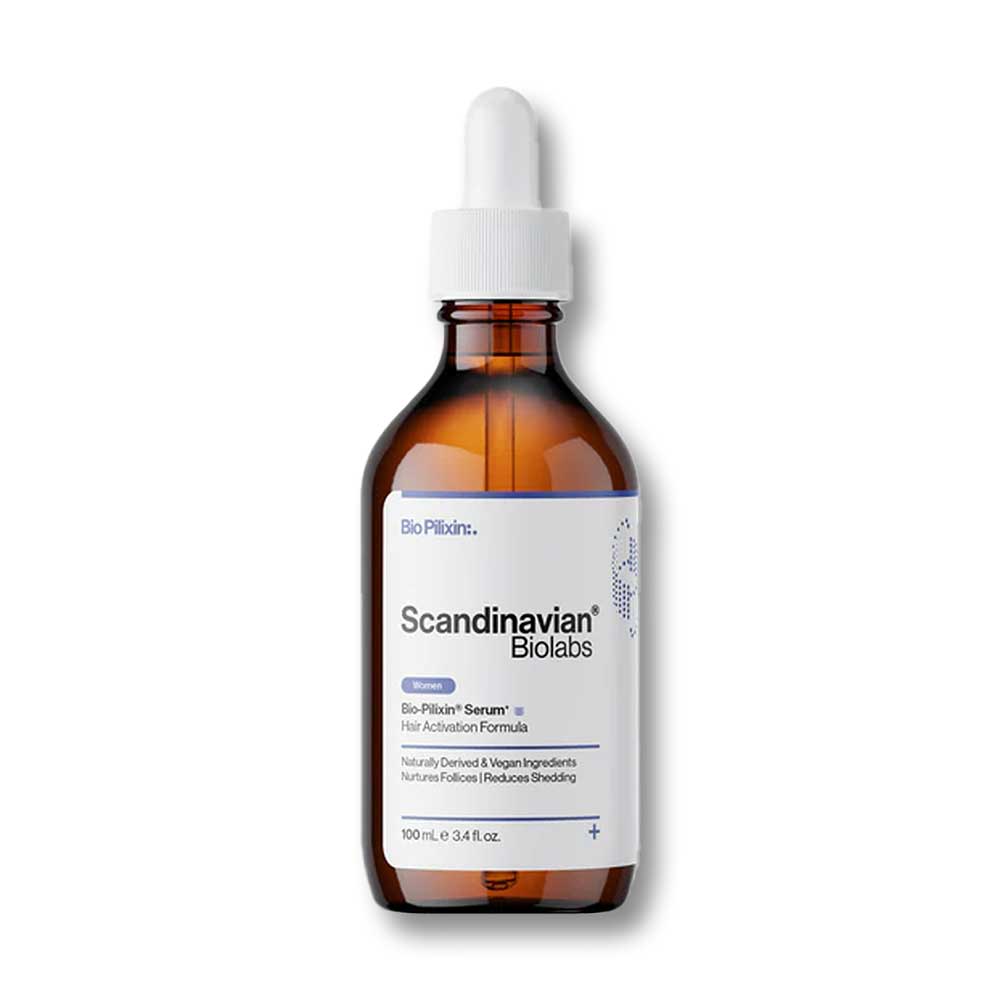
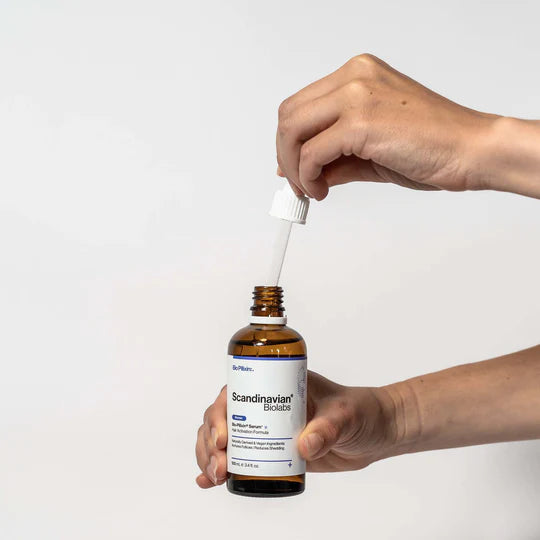
A scalp serum can complement a cosmetic routine, but it does not replace diagnosis when shedding is unusual or persistent. Scandinavian Biolabs Bio-Pilixin Activation Serum is used daily on the scalp as part of a regular hair-care routine.
Seasonal shedding or telogen effluvium?
If your shedding is diffuse and follows stress, illness or another major event, also read our guide to telogen effluvium and seasonal shedding.
What to remember
There is no single cause of hair loss and no universal solution. The first step is identifying the type of shedding. Cosmetic care can support scalp comfort and hair appearance, but significant, progressive or unusual loss should be assessed.