



A “collagen serum” does not work in the same way as an oral collagen supplement. Applied to the skin, collagen is mainly used for film-forming, comfort and surface hydration. It should not be presented as if it directly replaces collagen in the dermis.
What does a collagen serum do for the face?
In a cosmetic formula, collagen can contribute to skin feel, softness and a smoother-looking surface. The overall result depends on the complete formula: humectants, conditioning agents and other actives matter just as much as the word “collagen” on the label.
Does topical collagen penetrate deeply into the skin?
Collagen is a large molecule. When applied topically, it acts mainly at the surface rather than serving as a direct source of new dermal collagen. A good collagen serum should therefore be judged by hydration, comfort and the overall cosmetic result.
Which supporting ingredients are worth looking for?
- Glycerin: helps attract and retain water in the outer layers of the skin.
- Hyaluronic acid: commonly used for hydration and a plumper look.
- Antioxidants: can complement a routine designed to preserve the skin’s appearance against environmental stressors.
- Hydrolyzed elastin: used as a conditioning ingredient to improve feel and suppleness.
When should you apply a collagen serum?
Apply it to clean skin before moisturiser. In the morning, finish with sunscreen. In the evening, it can be combined with a hydrating or anti-ageing routine depending on the other actives you use.
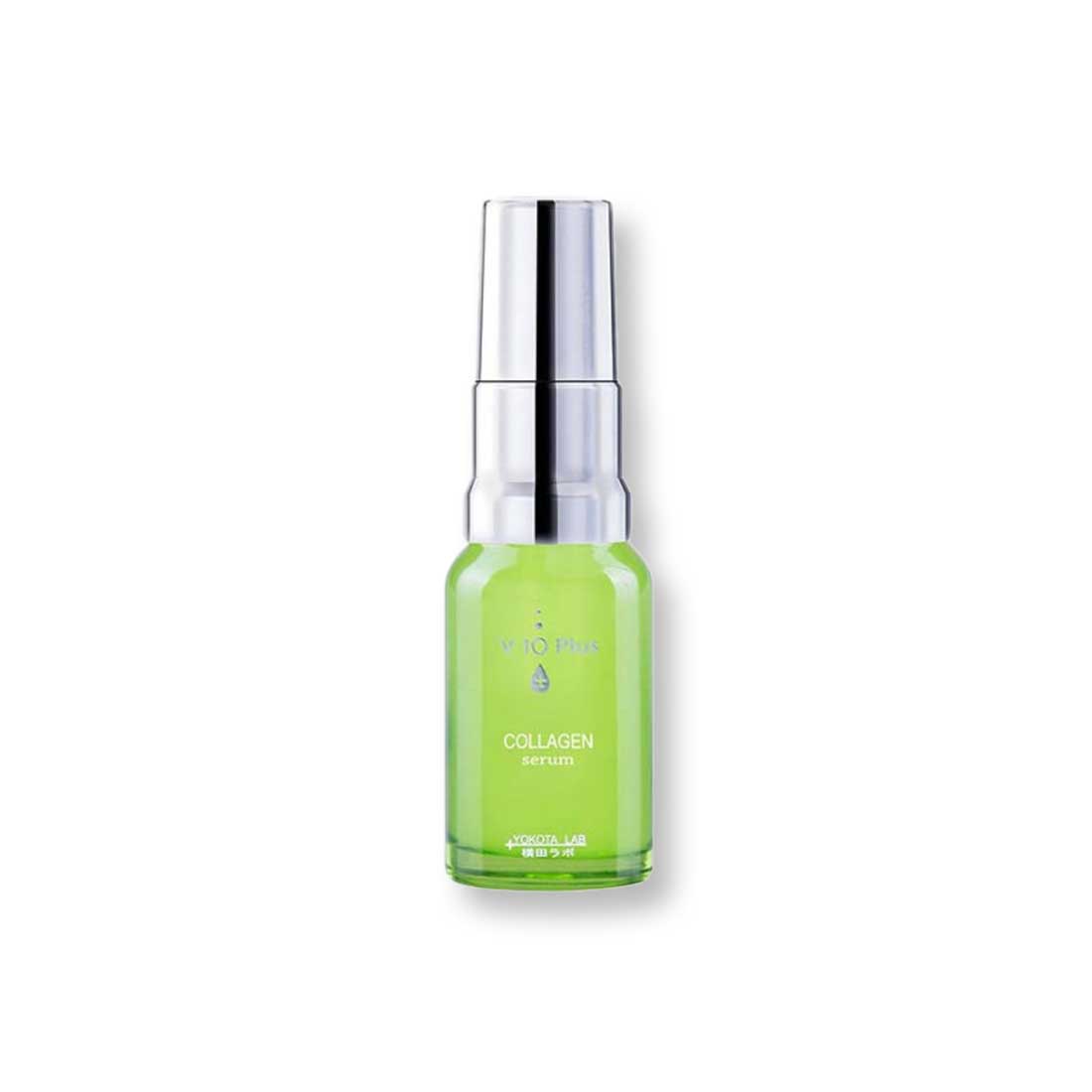
An example at Browlab: V10 Plus Collagen Serum
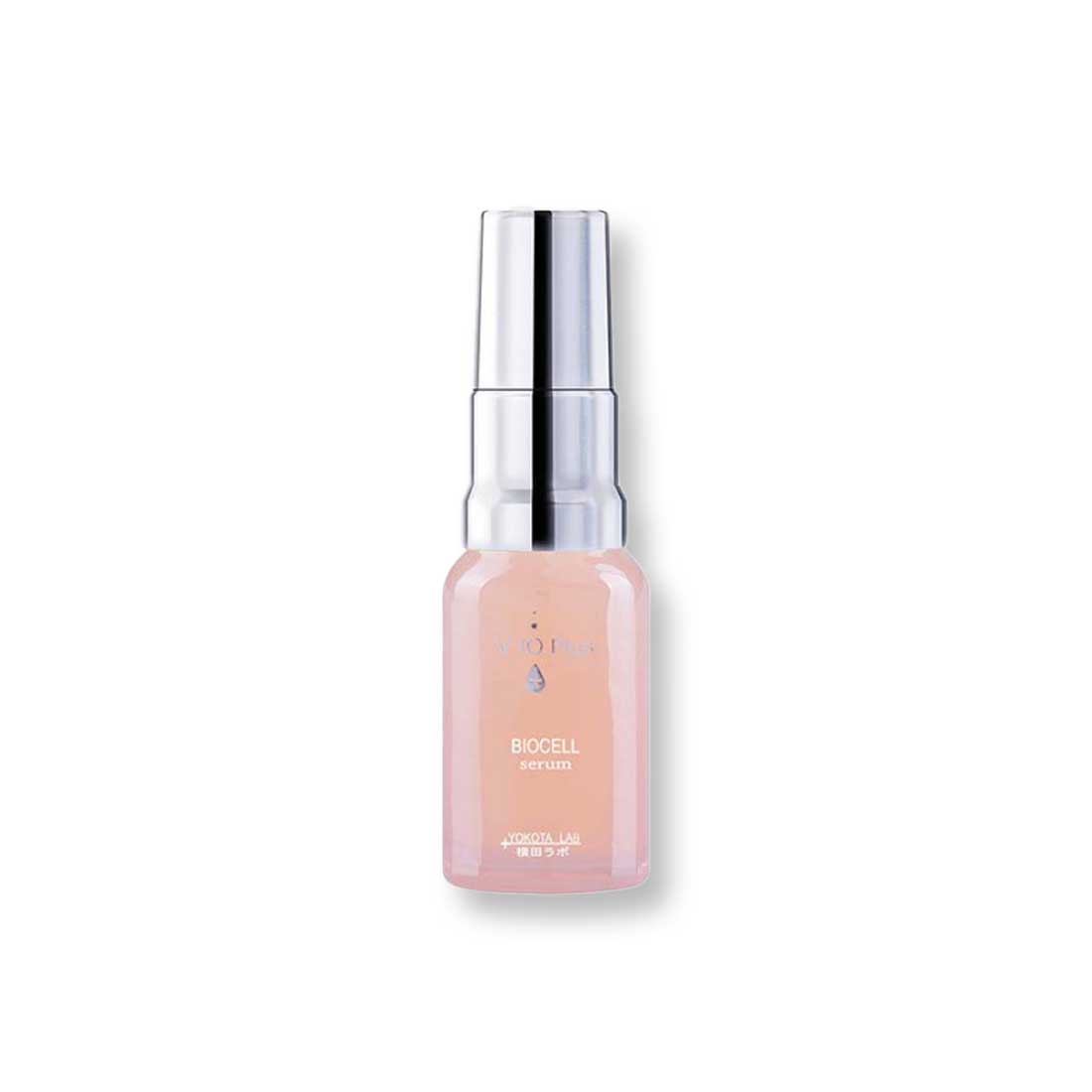
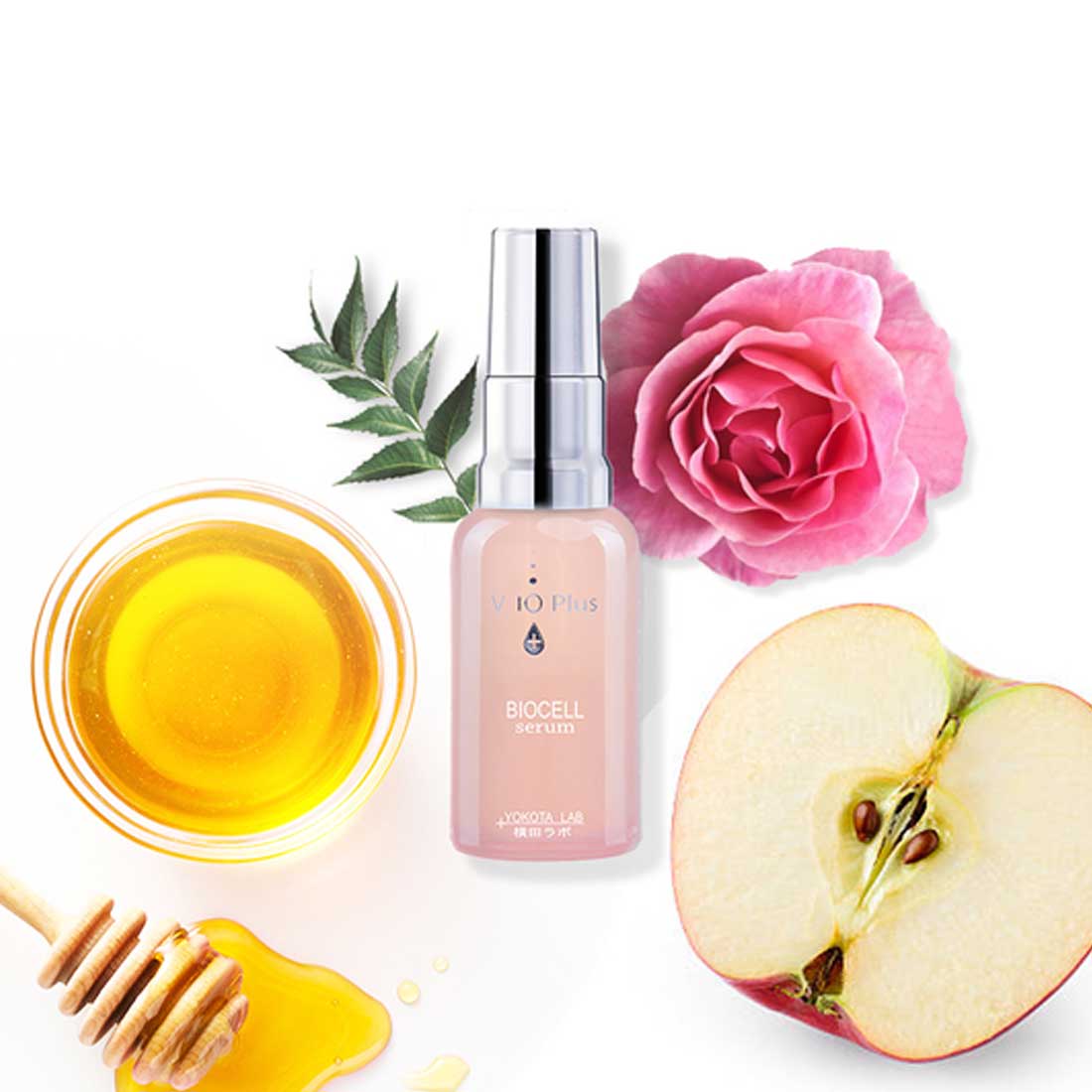
V10 Plus Collagen Serum combines soluble marine collagen, hydrolyzed elastin and humectants in a water-based formula designed to improve the appearance of skin suppleness and elasticity.
Collagen serum or collagen supplement?
They are two different approaches. A serum acts locally at the skin surface, while an oral supplement provides peptides after digestion. Evidence on oral collagen suggests possible benefits for skin hydration and elasticity, but results vary between studies and formulations.
To understand the difference, read our guide to marine collagen or browse our face care.