


You cannot “train” your skin to resist the sun. The best preparation is to limit UV exposure, use suitable sunscreen and avoid false advice that creates a feeling of protection without actually protecting the skin.
1. Start with sunscreen
Choose a broad-spectrum sunscreen with SPF 30 or higher, water-resistant when needed. Apply it to exposed areas before going outside and reapply regularly, especially after swimming or sweating.
2. Add clothing, sunglasses and shade
Sunscreen is only one part of protection. A wide-brimmed hat, UV-filtering sunglasses, protective clothing and shade reduce total exposure.
3. A colourful diet is useful, but it is not sunscreen
Fruit and vegetables rich in carotenoids are part of a balanced diet and can slightly change skin colour over several weeks. They do not create a sufficient “protective barrier” against UV.
To understand this effect, read our article on carrots and golden-looking skin.
4. Moisturise for comfort
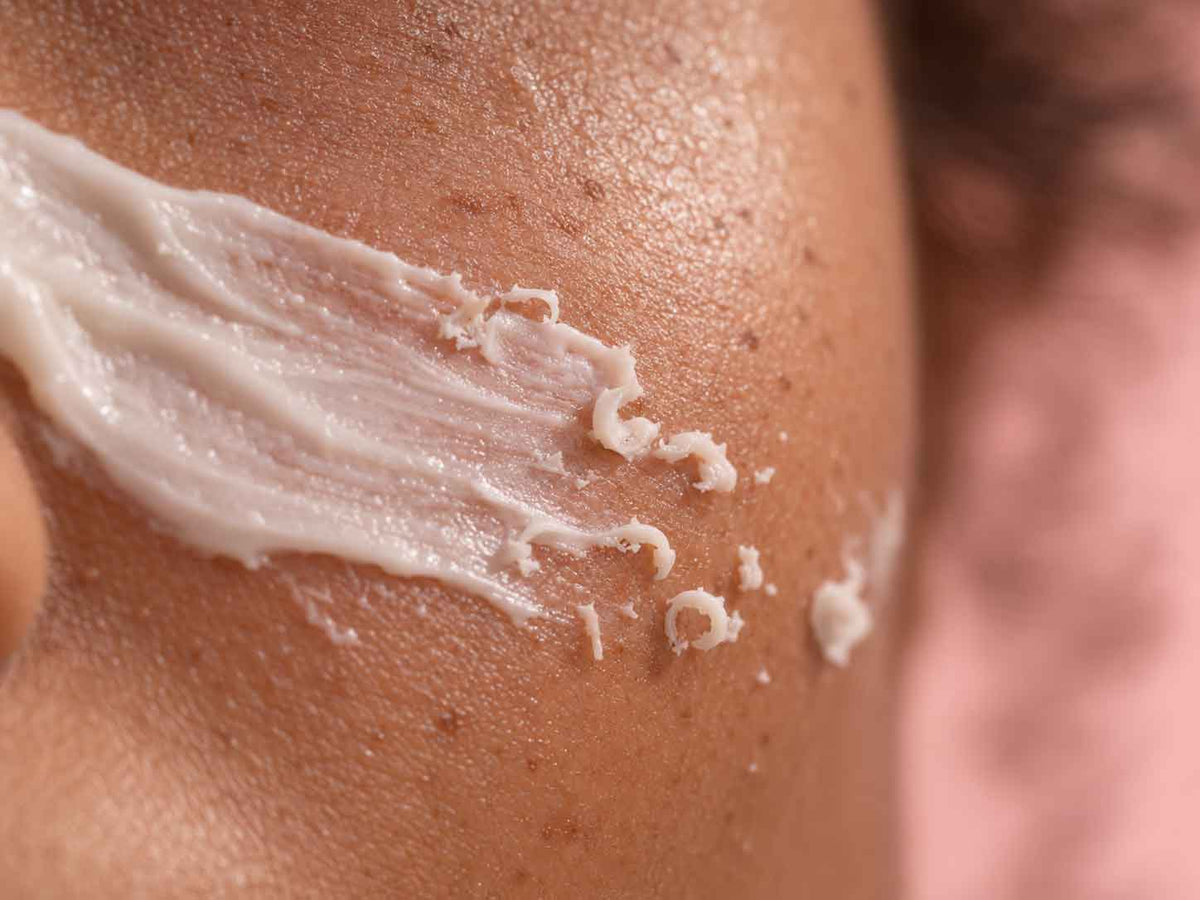
Well-moisturised skin feels more comfortable, but moisturiser does not make skin resistant to the sun. Continue to use proper sun protection.
5. Avoid tanning beds to “prepare” the skin
A base tan does not effectively prevent sunburn. Artificial UV adds extra radiation and increases skin damage.
Do sun supplements prevent sunburn?
No. A supplement should not be presented as preventing sunburn or replacing external protection. If you use one, treat it only as a nutritional supplement, not as a UV shield.
What if you simply want a tanned look?
A self-tanner can change skin colour without intentionally seeking UV. It does not protect from the sun, so keep the same sun-protection habits.
After a day outdoors, read our guide to caring for skin after sun exposure.