

Microblading, microshading, powder brows and micropowder are often grouped together, but they do not all create the same finish. The main difference lies in how pigment is placed and the look you want: hair-like strokes for microblading, a softer shaded or powdered effect for microshading.
Microblading vs microshading: what is the difference?
Microblading aims to mimic individual brow hairs with very fine strokes. Microshading creates small dots or soft shading that resembles brow powder or pencil.
Depending on the studio, terms such as powder brows, micropowder or sometimes micrograyling may be used for shaded finishes or combined techniques. The marketing name alone is not enough: always ask how pigment will actually be implanted and what healed result to expect.
Is microshading less invasive than microblading?
The technique is different, but both involve penetrating the skin and depositing pigment. Microshading is therefore not simply a surface tint. It also requires strict hygiene, a healing period and careful aftercare.
What are the risks of microshading?
The categories of risk are similar to microblading: infection, reaction to pigment, irritation, scarring in some people, uneven results or a colour that evolves differently from what was expected.
Overly dense or dark pigmentation can also look less natural than intended. As with any pigment procedure, correction is not as simple as removing ordinary makeup.
Microshading or microblading: which finish should you choose?
- Hair-like, natural effect: microblading is usually chosen to visually recreate individual brow hairs.
- Powdered or makeup effect: microshading and powder brows are more focused on diffused filling.
- Very sparse brows: some practitioners combine techniques, but the choice should depend on your skin, existing brow pattern and desired result.
How long does the result last?
Longevity varies with the technique, skin type, pigments, sun exposure, aftercare and touch-ups. Results fade over time, but the speed and colour change are not the same for everyone.
What should you ask before a session?
- Which exact technique will be used?
- Which pigment and equipment are used?
- How are hygiene and single-use items handled?
- How many touch-ups are expected?
- What happens if you do not like the result?
- What are the healing and aftercare instructions?
What if you want to avoid pigment procedures?
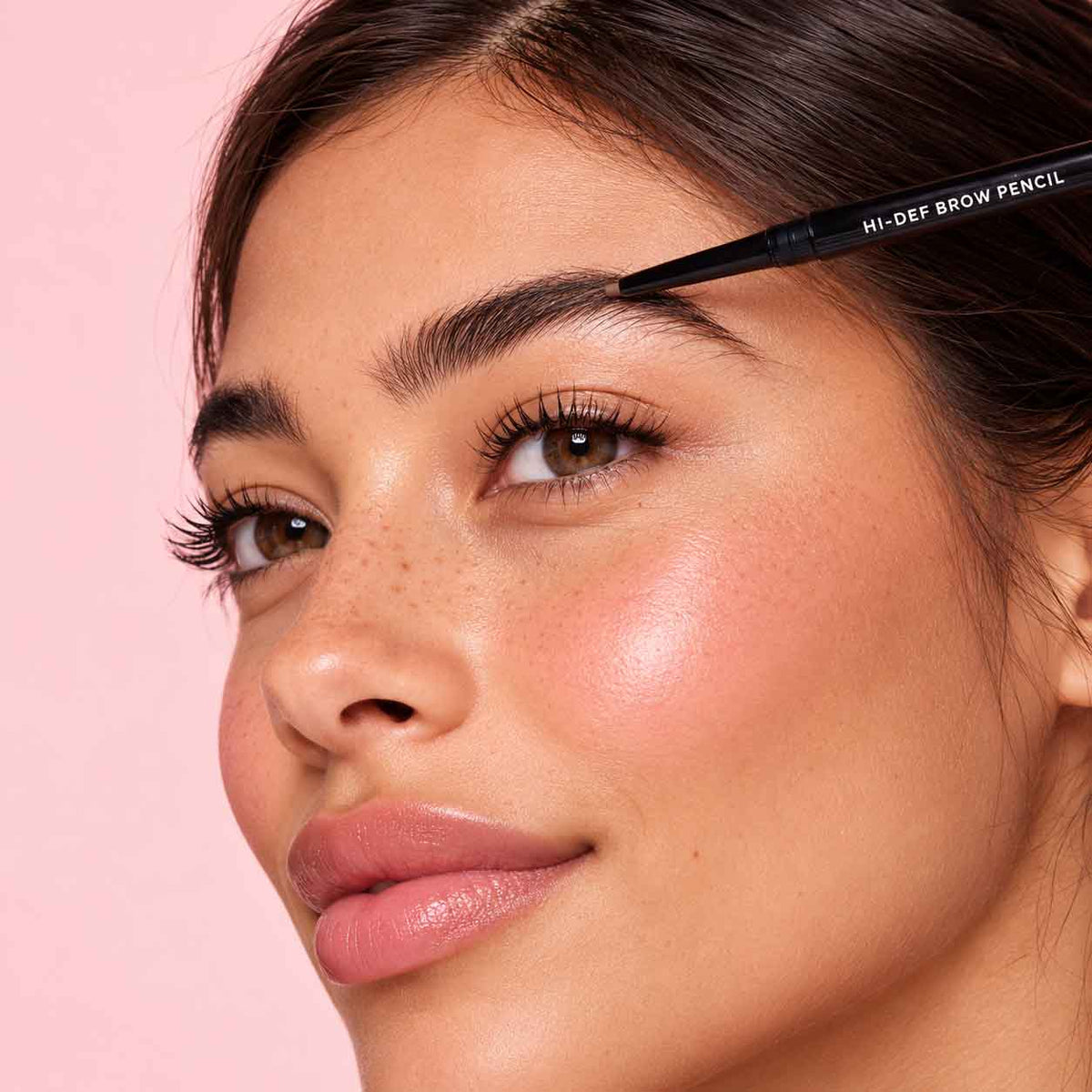
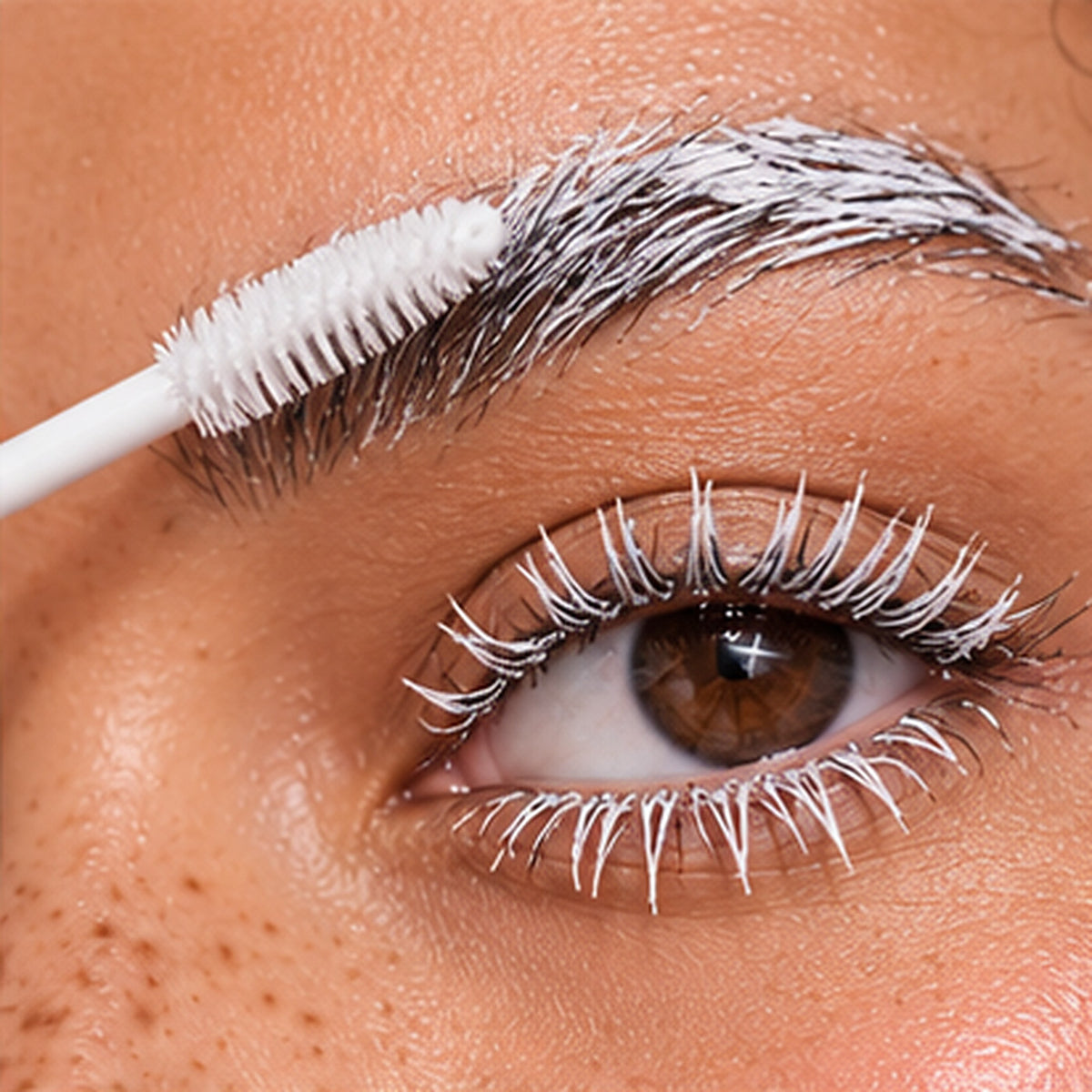
An ultra-fine pencil, tinted brow gel, conditioning treatment or temporary shaping can change the brow line without implanting pigment. Explore our alternatives to microblading and our eyebrow products.
What to remember
Microshading is not risk-free simply because the finish looks softer. The best technique is the one whose procedure, healing, limitations and maintenance you fully understand before making a decision.