
Good eyelash hygiene mainly means removing makeup, sebum and residue without rubbing the eyelids. It supports comfort around the eyes, but cleansing should not become aggressive or overly complicated.
1. Remove eye makeup every evening
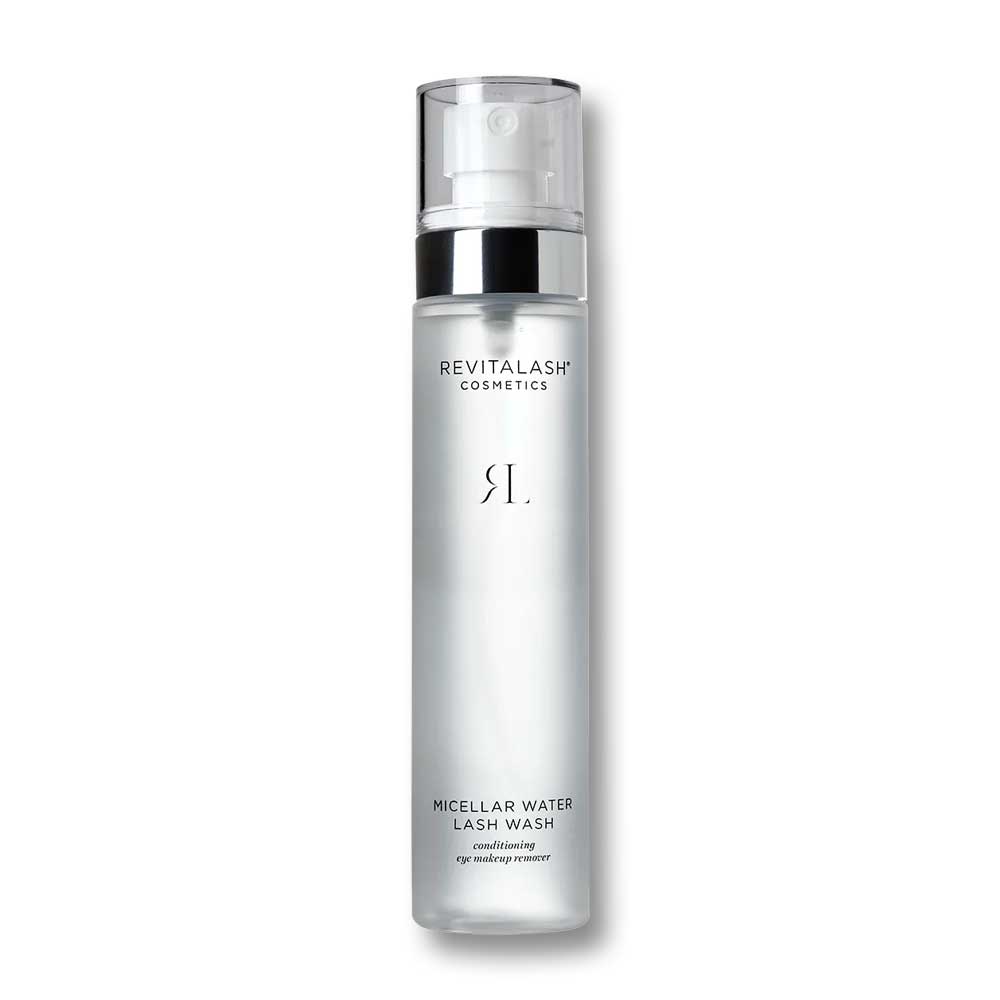
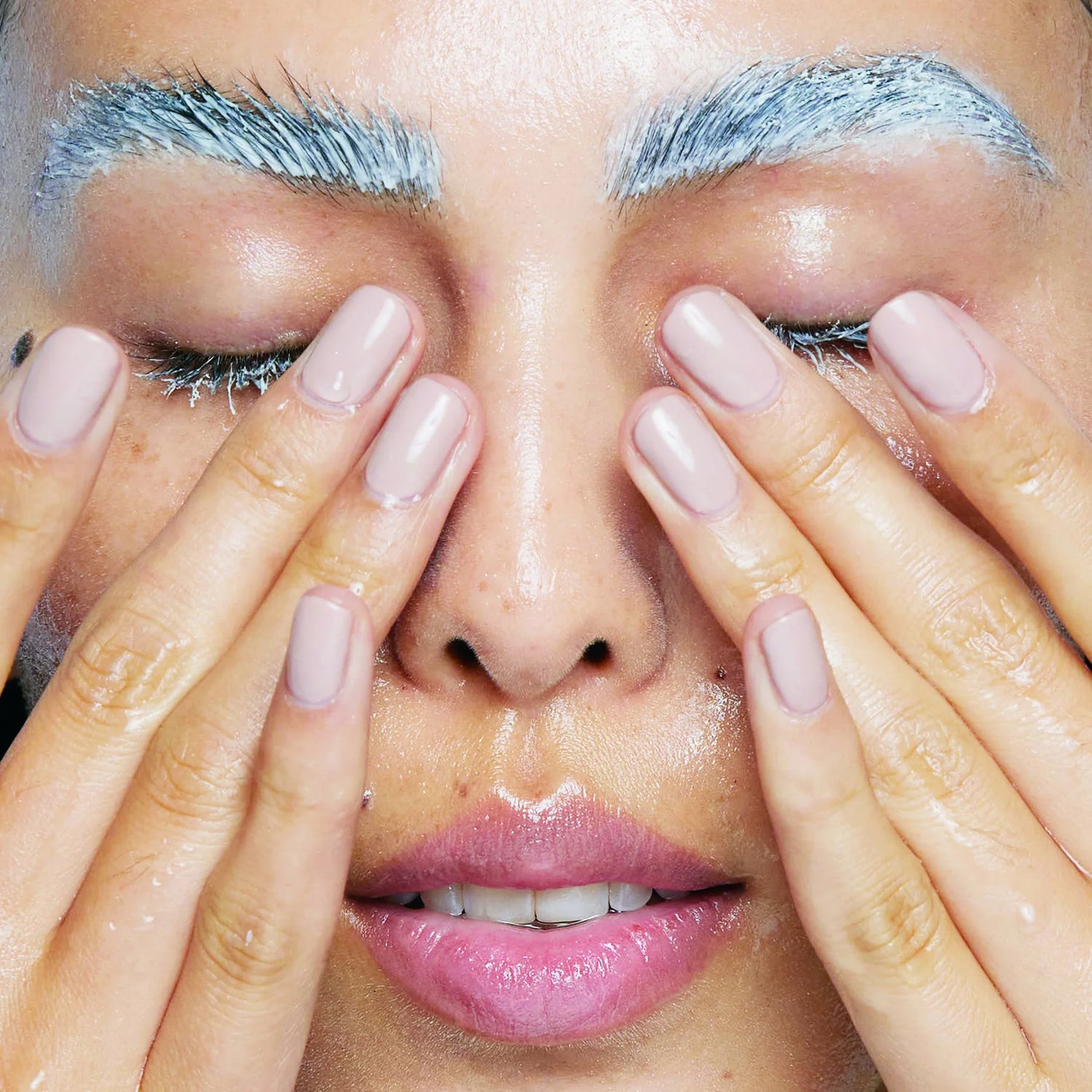
Remove mascara, eyeliner and eyeshadow before bed with a remover suitable for the eye area. Let the product dissolve makeup for a few seconds instead of rubbing hard.
2. Clean the lash line gently
Residue can remain along the lash line. Use a gentle cleanser and clean fingers. Avoid rigid tools or forceful movements close to the eye.
3. Do not brush lashes to “stimulate growth”
A clean spoolie can put lashes back in place or remove a few particles. It does not stimulate circulation in a way that makes lashes grow faster.
4. Do not share mascara or eye tools
Sharing mascara, eyeliner or lash curlers can transfer microorganisms. Clean accessories used near the eyes regularly.
5. Be especially careful with extensions
Extensions create a denser lash line and can retain more residue. Follow your technician’s cleaning advice and avoid pulling on the fibres.
For risks and precautions, read our guide to eyelash extensions.
6. Know when symptoms need medical attention
Persistent redness, pain, significant swelling, discharge, marked light sensitivity or reduced vision are not simply beauty-routine issues. Seek prompt medical advice in these situations.
Do you need a special eyelash shampoo?
Not necessarily for natural lashes. A gentle cleanser suitable for the eye area may be enough. With extensions, some professionals recommend a specific foam compatible with the adhesive used.
What about everyday care for natural lashes?
Gentle makeup removal, fully removing mascara and minimising mechanical stress remain the key steps. Read our complete guide to natural eyelash care.