
Noticing more lashes on your cotton pad or seeing your lash line look thinner can be worrying. Stress is often blamed, but eyelash loss has many possible causes and it is better not to jump to conclusions. For everyday care, you can also explore our lash care selection.
Can stress cause eyelash loss?
Significant physical or emotional stress can be associated with increased hair shedding by temporarily affecting the hair cycle. With eyelashes, the link is harder to establish in an individual case. Visible or rapid loss of eyelashes is called ciliary madarosis and can have many different causes.
In other words, stress may be part of the context, but persistent eyelash loss should not automatically be attributed to it. If the loss is sudden, significant, localized or accompanied by redness, itching, crusting or eyelid pain, it is better to have the cause assessed by a healthcare professional.
Losing a few eyelashes is normal
Like all hair, eyelashes follow a natural cycle. Some reach the end of their cycle and fall out while others develop. Finding an occasional lash on your cheek, pillow or makeup-removal pad is therefore not necessarily a cause for concern.
What deserves more attention is a clear change from your normal pattern: a lash line that thins quickly, visible gaps or an unusual amount of shedding. In that situation, the best first step is not to try several serums at once, but to understand what may be happening.
What else can cause eyelashes to fall out?
Dermatology and ophthalmology sources describe many possible causes. Eyelid inflammation such as blepharitis, certain skin conditions, allergic reactions, infections, some autoimmune or thyroid conditions and certain treatments can all be involved.
Beauty habits can also weaken the lash line: repeated rubbing during makeup removal, extensions, pulling off false lashes or irritation caused by a cosmetic. This is why eyelash loss should not be reduced to one explanation without considering the wider context.
How can you protect your lashes day to day?
The first rule is to be gentle. Remove makeup without pulling on the lashes, avoid rubbing the eyelids and remove false lashes or extensions according to the recommended method so you do not pull out natural lashes. If a product causes irritation, stop using it rather than pushing through the reaction.
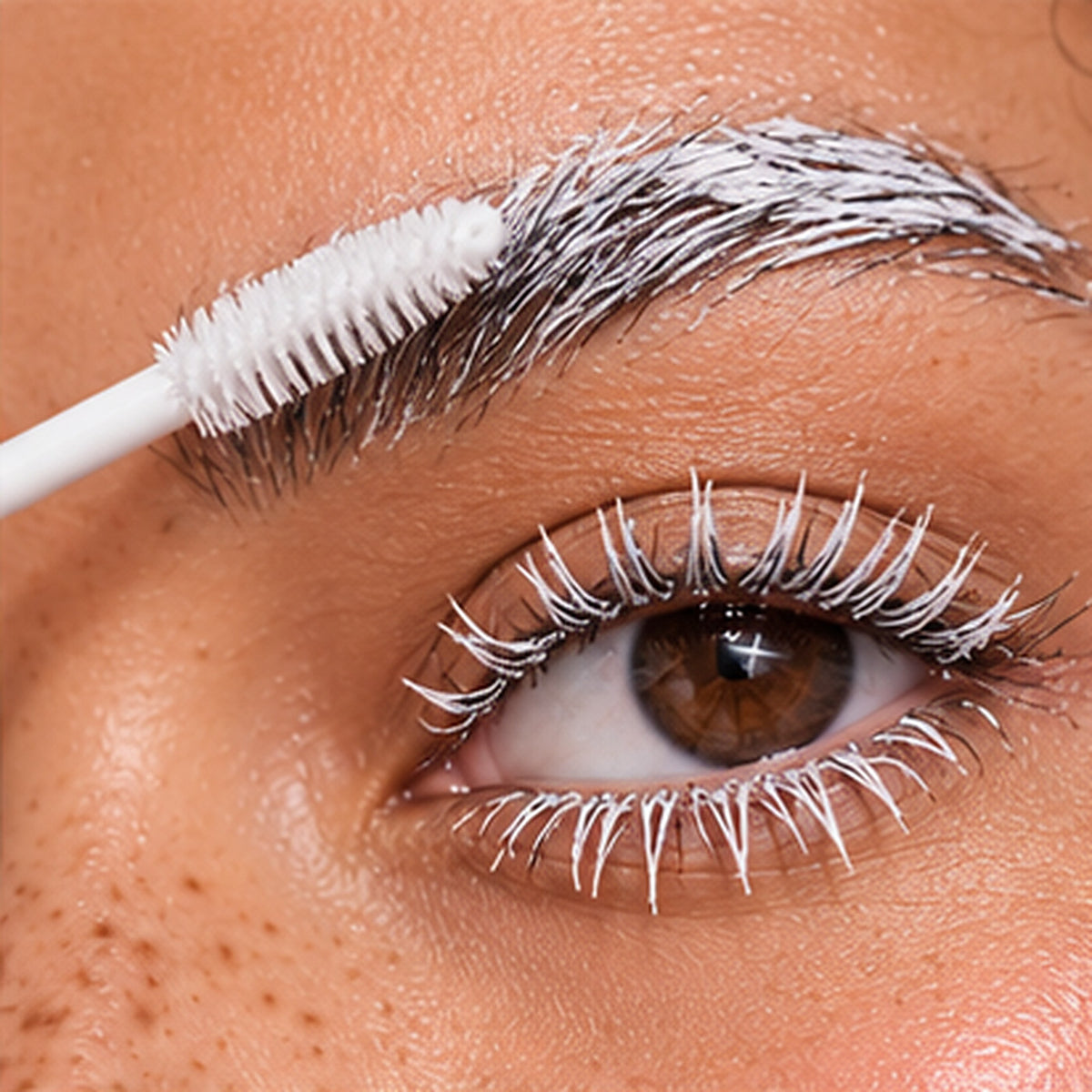
A simple, consistent routine is usually more useful than layering multiple products. Cosmetic conditioners can nourish, strengthen or improve the appearance of lashes, but they should not be presented as treatment for a medical cause of hair loss.
When should you seek medical advice?
Rapid or unusual eyelash loss deserves professional assessment, especially if it also affects the eyebrows or scalp hair, creates obvious sparse areas or comes with symptoms around the eyelids or eyes. Treatment for madarosis depends on its underlying cause, which is why self-diagnosis is not very useful.
This distinction matters: a cosmetic serum can be part of a routine for healthy or fragile-looking lashes, but it cannot replace finding the cause when shedding becomes abnormal.
Where does RevitaLash fit in?
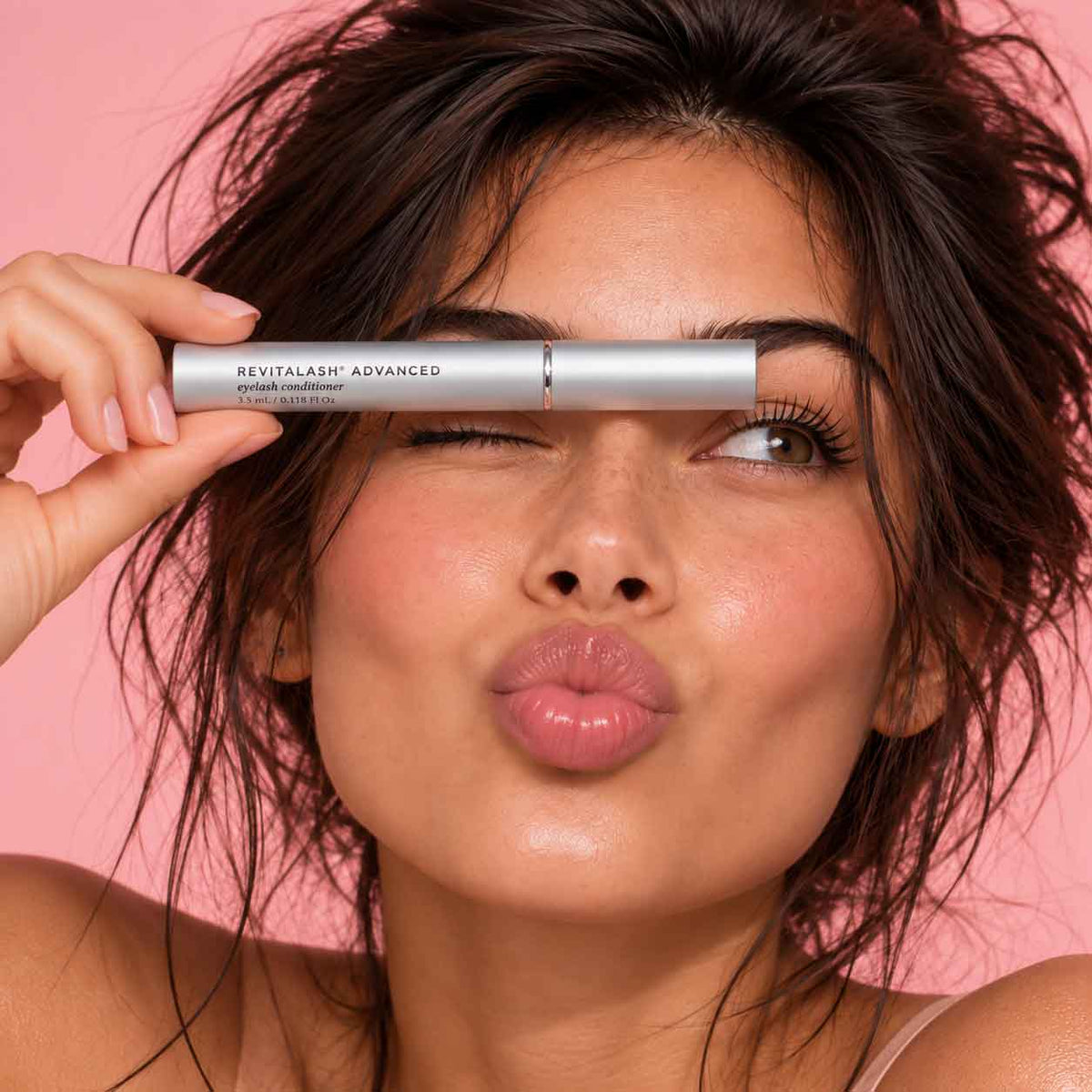
RevitaLash Advanced is a cosmetic conditioner designed to nourish and strengthen lashes, improve flexibility and resistance to breakage, and enhance their appearance. It should not be presented as a treatment for stress, disease or medically related eyelash loss.
If your lash shedding is not abnormal and your goal is simply to add a conditioner to your routine, you can review the RevitaLash Advanced lash serum, its formula and its precautions.
The key point
Stress can be associated with increased hair shedding, but visible eyelash loss can have many causes. A few lashes falling naturally is not the same as a lash line becoming noticeably thinner. If the loss is sudden or accompanied by other symptoms, it is better to investigate the cause before trying to cover it with a cosmetic product.