

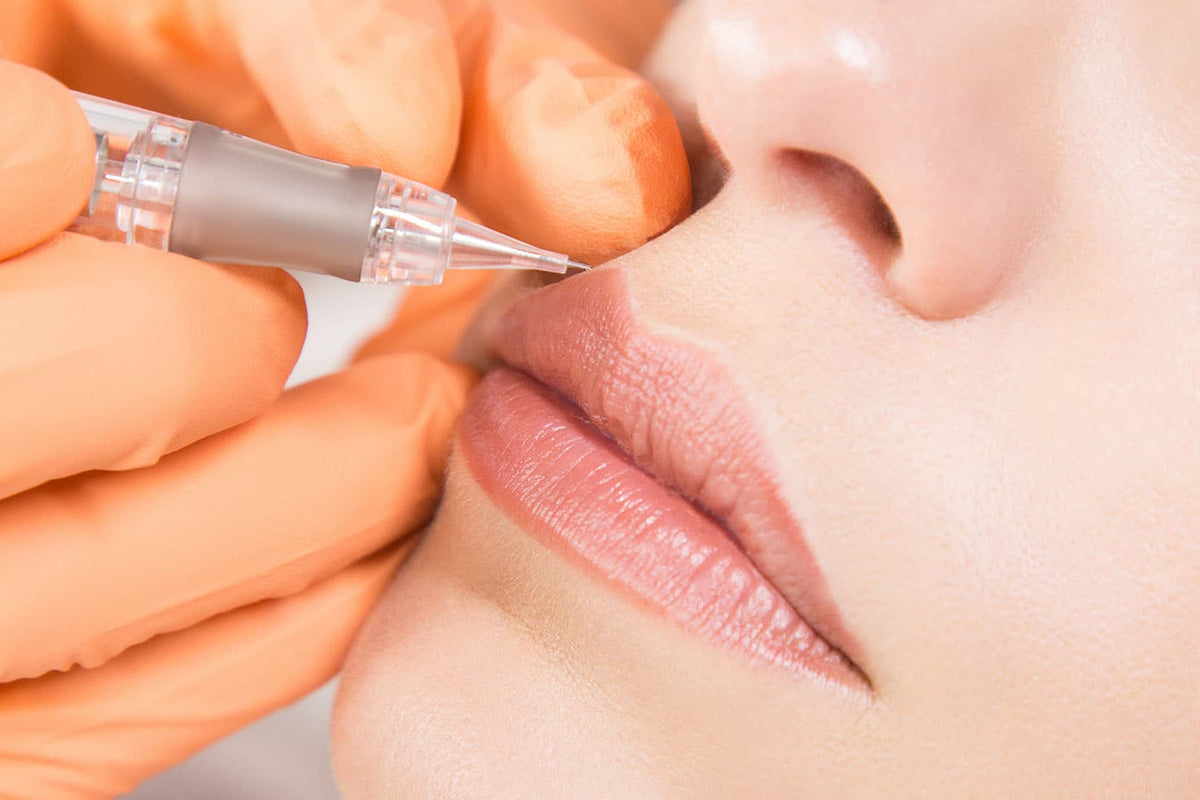
Permanent lip makeup — sometimes called lip tattooing or lip blush — involves placing pigment into the skin to redefine the lip contour or create longer-lasting colour. The result can look attractive when well performed, but it remains a tattoo procedure with risks and constraints that should be understood beforehand.
What are the main risks?
Infection
As with any procedure that uses needles and places pigment into the skin, permanent makeup can cause infection if equipment, technique or pigments are contaminated.
Reaction to pigment
Allergic or inflammatory reactions can occur, sometimes long after the procedure. They can be difficult to manage because the pigment is permanent.
Scarring or skin reactions
Tattooing can cause granulomas or, in people who are prone to them, raised keloid scars.
Results can change over time
Colour may fade unevenly or change over time. The face and lips also change with age, which can alter how the original design looks.
Is lip blush really permanent?
Pigment may fade gradually and touch-ups may be needed, but the procedure should not be treated like temporary makeup. Pigment can remain for a long time and removal is neither simple nor guaranteed.
Is removal easy?
No. Removal techniques may require several sessions, can be expensive and may not eliminate pigment completely. They can also leave colour changes or scars.
How can you reduce the risks?
- choose a qualified professional who follows strict hygiene standards;
- ask which inks and pigments are used;
- check the protocol for single-use equipment and disinfection;
- disclose allergies, treatments and skin conditions before the procedure;
- follow aftercare instructions carefully;
- seek medical advice quickly if pain, redness, discharge or an unusual reaction increases.
What are the temporary alternatives?
Lip liner, long-wear colour or gloss can change the contour and colour without a long-term commitment. For a fuller-looking effect, read our guide to naturally fuller-looking lips.
Browse our lip products.