

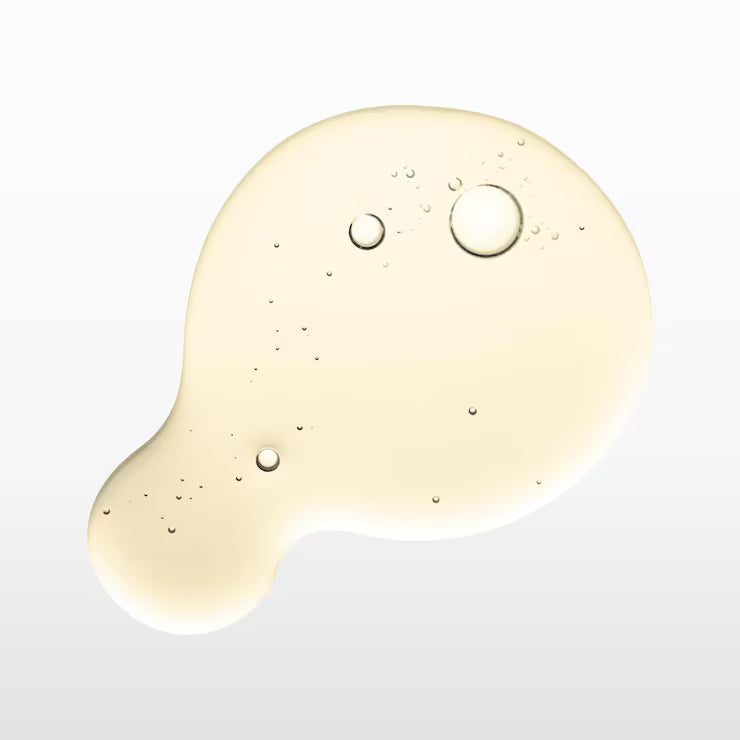
Vitamin C has become one of the most sought-after skincare ingredients, and for good reason. This antioxidant is known for reviving radiance, evening out skin tone and helping the skin defend itself against everyday environmental stress. But between exaggerated promises and genuinely useful advice, knowing how to use it is not always easy. If you want to refine the look of your skin, reduce shine or simply regain a fresher complexion, here is what you need to know to make a vitamin C serum a useful part of your routine.
Why vitamin C has become a skincare essential
Vitamin C is an antioxidant naturally present in the skin, but its reserves diminish over time and through exposure to pollution, sunlight and fatigue. Used in skincare, it helps the skin neutralise some free radicals, unstable molecules associated with dullness and premature fine lines. That is why it often features in routines focused on radiance and firmness. It is valued for working on several concerns at once: luminosity, the appearance of an even complexion and the skin's overall quality. It can be a valuable ally for fresher-looking skin, provided you choose the right formula and use it properly.
Pure vitamin C or stable derivatives: what's the difference?
Not all forms of vitamin C are alike. The pure form, L-ascorbic acid, is highly potent but also unstable: it oxidises quickly on contact with air and light and may irritate reactive skin. This is where stable derivatives such as magnesium ascorbyl phosphate and ascorbyl tetraisopalmitate come in. Less temperamental and often better tolerated, they stay effective for longer while remaining gentler on the skin. This is the type of vitamin C used in the V10 Plus serum, which combines two stable derivatives to balance tolerance with antioxidant benefits. If you are new to vitamin C or your skin is sensitive, stabilised forms are often a better place to start.
Visible pores and excess sebum: what a serum can do
This is a common concern: visible pores and shiny areas. No skincare product can make a pore disappear permanently, as pore size is largely influenced by genetics. A well-formulated serum can, however, noticeably improve how pores look. Vitamin C contributes to skin quality, while certain sebum-regulating ingredients, such as the Phellodendron amurense bark extract found in the V10 Plus serum, help manage excess sebum. The result can be skin that looks more matte, with a more refined-looking texture and a clearer complexion. The goal is not to transform your skin but to help it look its best day after day.
How to add a vitamin C serum to your routine
The golden rules are consistency and the right application order. Apply serum to clean, dry skin after cleansing and any toner, but before moisturiser. Vitamin C works particularly well in a morning routine because its antioxidant action complements daily sun protection. You can also use it in the evening if you prefer. There is no need to apply a large amount: a few drops or one pump are enough for the whole face. As with any active ingredient, consistent use over several weeks matters more than an occasional application before an event.
Japanese-style layering: the art of combining skincare
Vitamin C serum fits naturally into layering, an Asian-inspired approach that involves applying products from the lightest texture to the richest. The idea is not to pile on products but to give your skin exactly what it needs, step by step. V10 Plus has built its philosophy around this principle, with targeted serums that you can combine according to your current concern: radiance, hydration, soothing or oil regulation. You can apply them one after the other, or mix equal amounts in an empty bottle to save time in the morning. It is a flexible approach that can evolve with your skin and the seasons.
A few precautions to get the most from vitamin C
Vitamin C is generally well tolerated, but a few simple habits can maximise its benefits. Keep your serum away from heat and light to preserve its effectiveness, and close the bottle tightly after use. If this is your first time using vitamin C, start with one application a day to allow your skin to adjust. Ideally pair it with sunscreen, because a more radiant complexion still needs protection from UV rays. Remember that skincare products are designed to care for and enhance the skin: if a skin problem persists, seeking advice from a dermatologist is the best option.
Where to start
To get started, choose a well-formulated vitamin C product that is easy to use. Explore the V10 Plus vitamin C serum, formulated with stable derivatives and a sebum-regulating active for combination to oily skin. And to build a complete routine, browse our full V10 Plus serum collection to compare the available products and find what best suits your needs. Smoother-looking skin and a more radiant complexion often begin with one simple step, repeated every day.