


Plant oils can make hair feel softer, shinier and easier to style, but they do not all interact with the fibre in the same way and they do not replace a complete hair-care routine. Their value depends mainly on composition, amount used and your hair type.
What do oils actually do to hair?
An oil can mainly act as an emollient and protective film: it reduces friction, improves feel and helps limit moisture loss. Some oils penetrate the fibre more than others, but it is better not to describe all oils as permanently “repairing” damaged hair.
Plant oils vs silicones: do you have to choose?
No. Silicones and oils behave differently, but silicones do not automatically “block” the hair or make the fibre porous. They can add slip, shine and surface protection. Oils may provide similar or complementary effects depending on the formula. The right choice depends on the finish you want and how your hair responds.
Coconut oil: useful as a pre-shampoo
Coconut oil is one of the better studied oils for the hair fibre. Its composition allows some penetration into the hair and it can help reduce certain protein losses when used before or after washing. Its texture can still feel too heavy on very fine hair.
Jojoba oil: lightweight and mainly protective
Jojoba is technically a liquid wax made largely of wax esters. It is often appreciated for its relatively lightweight feel. It is better not to claim that it “regulates sebum”: its hair-care value is mainly cosmetic, helping improve softness and reduce a dry feel without necessarily weighing hair down.
Avocado oil: richer care for dry lengths
Avocado oil is rich in fatty acids and can work well on dry or sensitised lengths when used in moderation. It may improve feel and softness, while fine hair may prefer a very small amount or a formula that combines it with other ingredients.
Moringa oil: a stable oil used in lightweight formulas
Moringa oil is appreciated in formulation for its oxidative stability and feel. It can contribute to shine and softness. It is excessive, however, to present it on its own as a proven “shield” against heat or pollution.
Tamanu oil: interesting, but less documented for hair
Tamanu is best known for traditional skin use. In hair care it can provide emollient and protective effects, but evidence is much more limited for claims of deep “regeneration” or internal fibre repair. It is better evaluated as one component in a complete formula.
Which oil should you choose?
- Fine hair: small amounts and lightweight textures, mainly on the ends.
- Dry or coarse hair: richer oils can be used on lengths.
- Curly or coily hair: an oil can help retain the softness provided by conditioning care.
- Highly sensitised hair: favour a complete routine rather than relying on oil alone.
Pure oil or formulated treatment?
A pure oil makes the amount easy to control, while a cosmetic formula often combines several conditioning agents to balance feel, slip and rinseability. There is no rule that a blend of oils is automatically “better”: the complete formula matters.
How to use oil without weighing hair down
- Start with a very small amount.
- Apply mainly to lengths and ends.
- On fine hair, avoid saturating the roots.
- As a pre-shampoo, leave it on and then wash normally.
- As a finishing touch, warm one drop between your hands before applying.
A leave-in treatment combining several oils
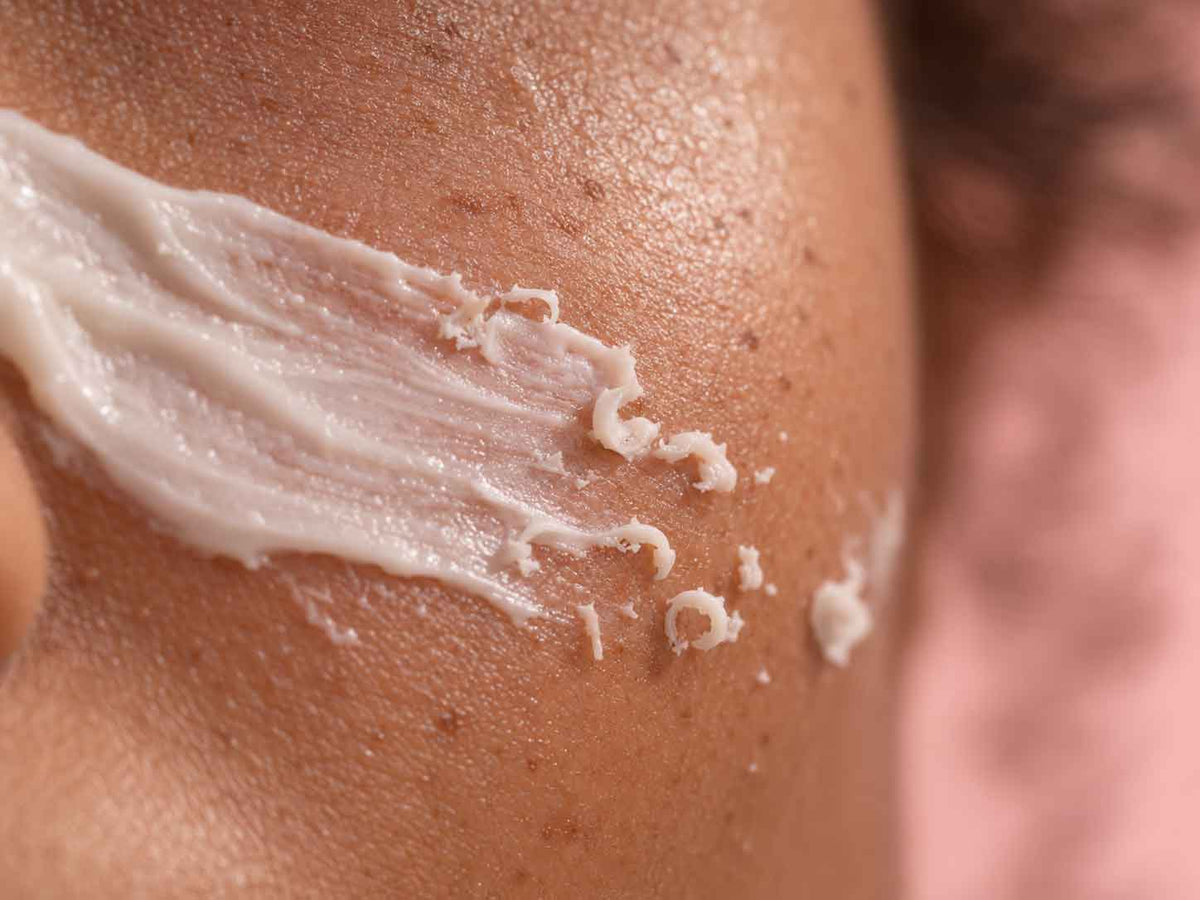
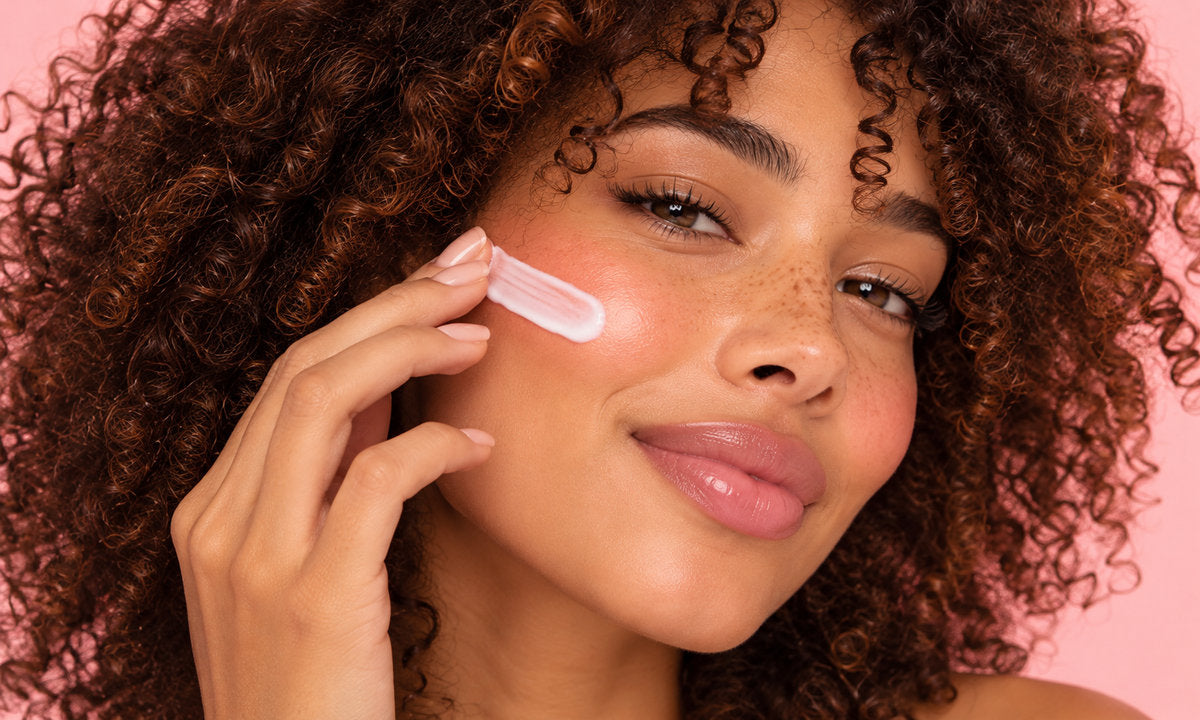
RevitaLash® Leave-In Hair Mask & Conditioner combines several conditioning agents and oils in a leave-in formula. It is used on the lengths as part of a routine designed to improve feel, softness and manageability.
To adapt your full routine, read our guide to different hair types or browse our hair-care selection.