


Should you apply your hyaluronic acid serum to skin that is still damp, or wait until it is completely dry? Both methods are possible, provided you follow the formula’s directions. Slightly damp skin can make application more pleasant, but it is not essential for a hydrating serum to work. What matters more is the amount you use, the moisturiser that follows and the consistency of your routine.
What hyaluronic acid actually does at the skin’s surface
Hyaluronic acid is valued for its humectant properties. In cosmetics, it helps retain water in the superficial layers of the skin. This contributes to a more supple appearance and a greater feeling of comfort, especially when the face looks creased or lacks hydration.
Skincare products contain different forms of hyaluronic acid, including sodium hyaluronate. Their behaviour depends on the complete formulation, the concentration and the other ingredients present. A water-based serum already contains water and often other hydrating ingredients. You do not need to wet your face thoroughly for the formula to work.
It is also important to distinguish cosmetic hydration from the effects of hyaluronic acid injections. A serum is applied to the skin’s surface and is not intended to replicate an aesthetic procedure. Its value lies in a simple daily step suited to your needs.
Damp or dry skin: which method should you choose?
If you enjoy fluid textures and your face remains comfortable after cleansing, try applying your serum to slightly damp skin. Gently pat your face with a clean towel without trying to remove every trace of water. Your face should not be dripping: the remaining moisture is enough to make the product easier to spread.
This technique may feel pleasant if you experience tightness after washing your face. It lets you move through the steps without waiting unnecessarily for the skin to dry. But if your skin is already dry when you reach for your serum, there is no need to cleanse it again. A hydrating formula can perfectly well be applied to clean, dry skin.
Your choice also depends on what you apply beforehand. If a specific treatment must dry completely or its directions specify application to dry skin, follow those instructions. Hyaluronic acid is not a reason to change the directions for another product. It is not a universal rule that should dictate your entire routine.
The right technique, from cleansing to moisturising
Start with gentle cleansing suited to the time of day. Water that is too hot or a cleanser that leaves your face feeling tight can make the routine less comfortable. Then pat the skin dry without rubbing, leaving it slightly damp if you prefer that sensation.
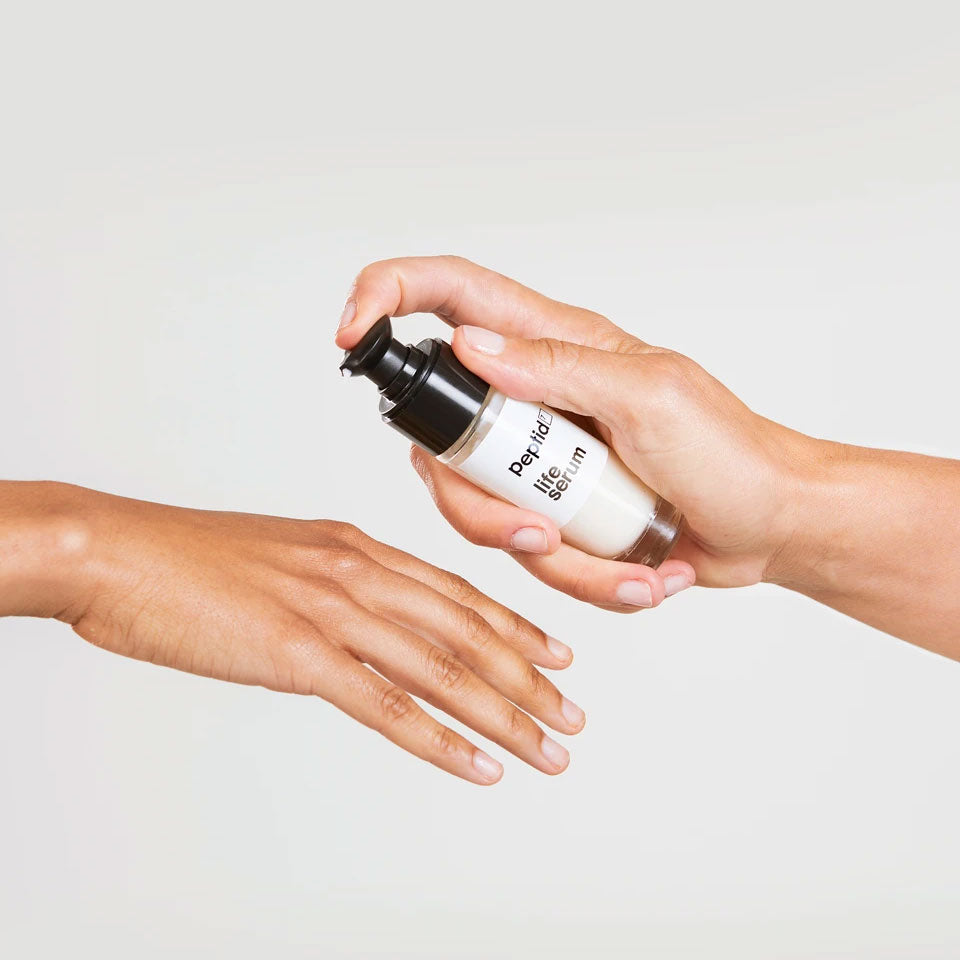
Dispense the amount of serum recommended by the manufacturer and spread it between your fingers. Apply gently to the face, without prolonged massaging. Adding several successive layers does not guarantee better hydration: using too much may simply leave a sticky finish or complicate the application of your moisturiser.
Once the serum has spread and the surface of your face is no longer very wet, follow with a suitable moisturiser. You do not need to time this step. Simply allow the textures to settle sufficiently so that you do not move them around when layering. In the morning, finish with sunscreen according to its directions.
If you want to check where other products fit, our guide to the order of facial skincare products explains the general sequence of a routine.
Why moisturiser remains important after serum
A humectant serum and a moisturiser do not fulfil exactly the same role. The former helps retain water, while the latter can provide emollient ingredients and form a layer that helps limit water loss. The moisturiser’s formulation naturally determines the result, and some formulas combine these different functions in one product.
If you have dry skin, a creamy texture may be more comfortable than a serum used alone. If you have combination or oily skin, a light emulsion may suffice. You do not need to choose a particularly rich moisturiser simply because you use hyaluronic acid. Adapt the texture to how your skin feels and to the environment in which you spend your day.
In winter, indoor heating and temperature changes can make dryness more noticeable. That does not mean hyaluronic acid will systematically draw water out of your skin and dry it out. This frequently repeated claim oversimplifies how a cosmetic formula works. If your face lacks comfort, examine your entire routine before blaming a single ingredient.
How to incorporate V10 Plus Hyaluronic Acid Serum
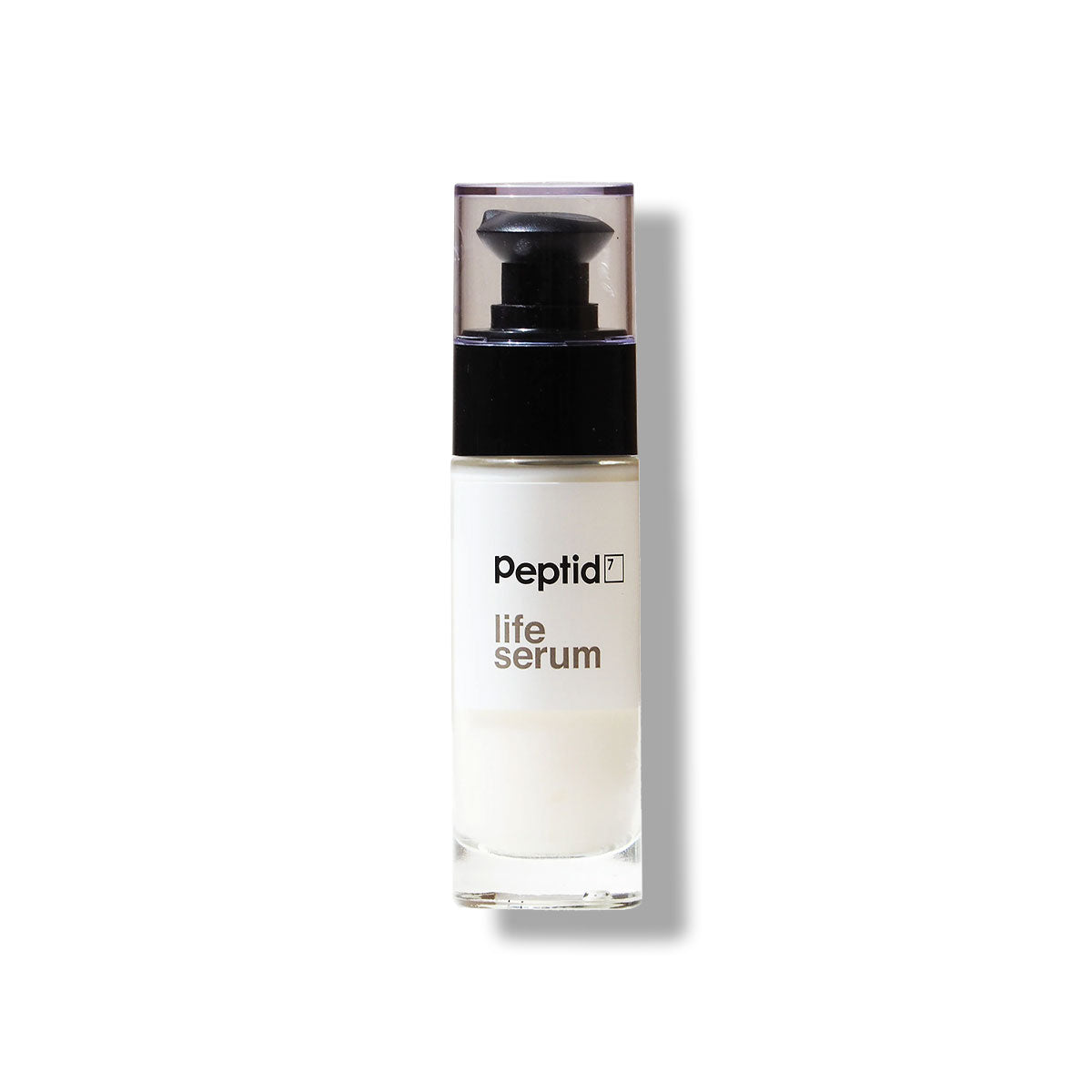
V10 Plus Hyaluronic Acid Serum is a water-based formula that combines sodium hyaluronate with several humectants, including glycerin and sodium lactate. It addresses hydration and suppleness needs, with a lightweight texture that fits easily into your routine before moisturiser.
The brand recommends using it on the face morning and evening, with one full pump when the serum is used alone. If you combine several compatible V10 Plus serums, follow its specific dosage instructions. The idea is not to increase the quantities, but to build a routine that responds to your concerns.
For skin that also lacks comfort, you can read our article on combining ceramide skincare products. It explains how to distinguish hydration needs from support for the skin barrier function, without unnecessarily accumulating active ingredients.
Mistakes to avoid for a comfortable finish
The first is applying serum to a soaking wet face. A large amount of water can make dosing less consistent and cause the product to run towards the eyes. The second is layering thick amounts of serum and moisturiser in pursuit of an immediate plumping effect. This may increase stickiness and encourage pilling when you apply makeup.
If your skin stings or becomes red, do not interpret that sensation as proof that the serum is working. An ingredient known for hydration does not guarantee that the entire formula will suit you. Stop using the product if irritation occurs, and seek professional advice if discomfort persists.
Ultimately, remember this principle above all: apply your serum to a clean face, slightly damp if you wish, then adapt the following steps to your skin. A consistent, well-tolerated routine makes more sense than a complicated technique dictated by trends.